
The Parent Trap
1961
No user ratings available yet
Representation score: 1.1 out of 10
Representation Score
Limited
1998
PGDirector
Nancy Meyers
Runtime
128 minutes
Average Rating
No ratings yetNew Showbiz Analysis
The film excels at presenting women as professional, autonomous, and intellectually dominant figures. Elizabeth James serves as a model of female empowerment, while the twins drive the narrative through strategic intelligence. However, these strengths are confined to a narrow demographic. The story focuses on a homogeneous, Anglo-Saxon social world that lacks racial and LGBTQ+ representation. The film stays within conventional Western social boundaries, prioritizing a focused look at female competence over broader multi-layered depth.
Category Breakdown
The film focuses solely on straight relationships, with no LGBTQ+ characters present.
The film highlights independent, capable women who drive the plot. Elizabeth James is portrayed as a successful businesswoman, and the twin protagonists take charge of resolving the central conflict.
The cast is predominantly white and Anglo-Saxon, with no engagement with racial diversity or varied cultural backgrounds.
The film celebrates traditional Western structures like the nuclear family and high-end capitalism, emphasizing aspirational lifestyles and familial cohesion.
There are no prominent depictions of visible or invisible disabilities influencing the character arcs or the central plot.
Present on Screen
Limited or Absent
Official Synopsis
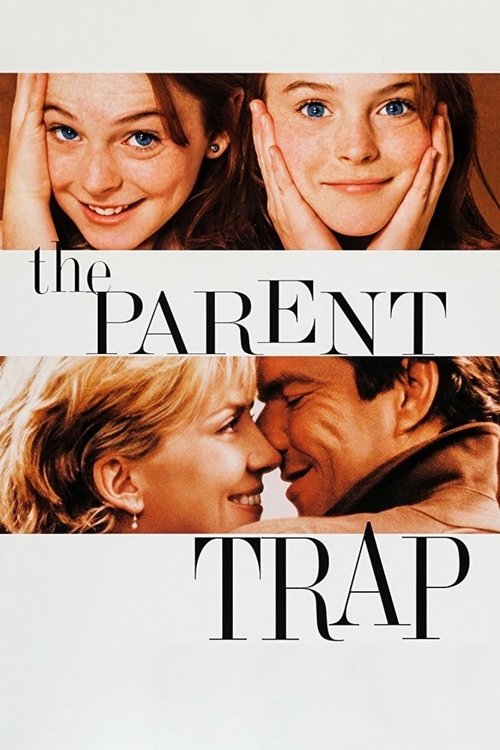
Hallie Parker and Annie James are identical twins who were separated at a young age due to their parents' divorce. Unbeknownst to their parents, the girls are sent to the same summer camp, where they meet, discover the truth about their relationship, and come up with a plan to switch places in an effort to reunite their mother and father.
1961

1995

1997

1996

1999
1968

2010
1976
No reviews yet. Be the first to share your thoughts on this movie!
Use the rating form above to leave a star rating and optional review.