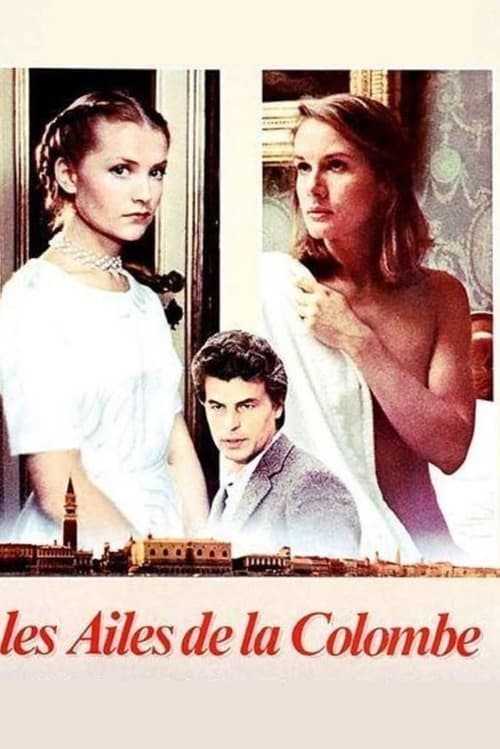
The Wings of the Dove
1981
No user ratings available yet
Diversity score: 5.7 out of 10
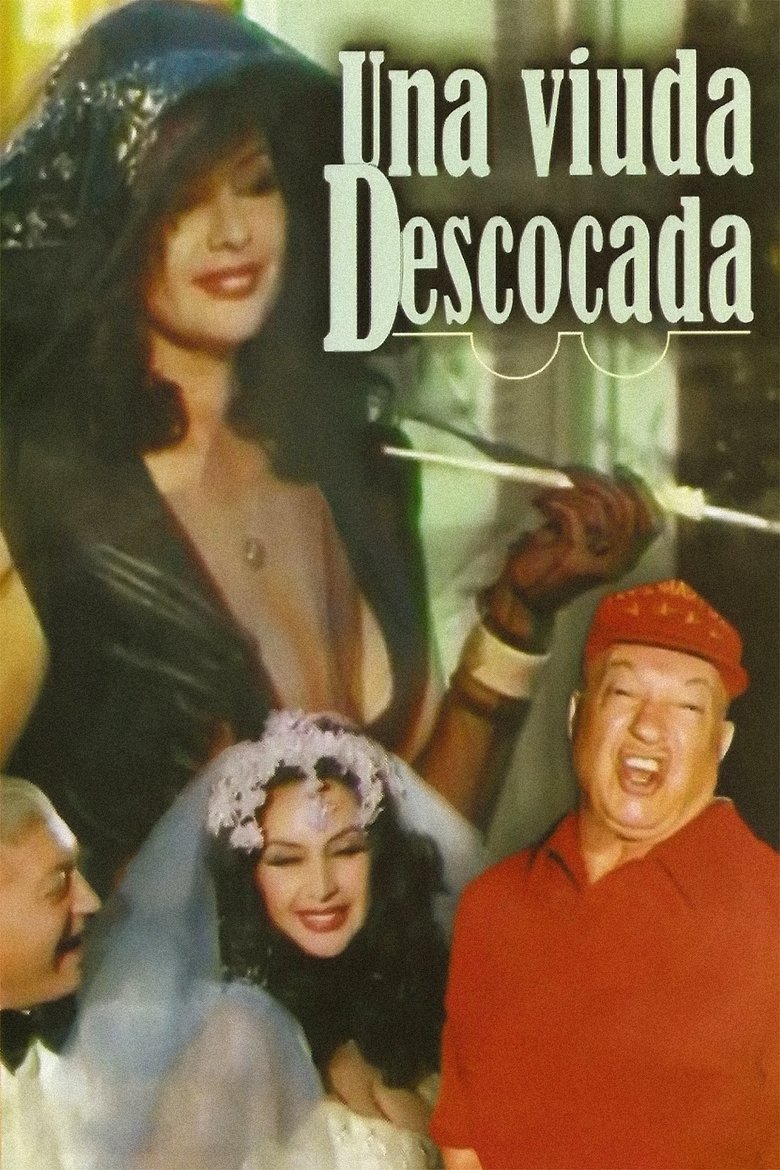
1980
XDirector
Armando Bó
Average Rating
No ratings yetSynopsis
The attractive, exuberant and beautiful Flor Tetis Soutien de Gambeta (Isabel Sarli), an ostentatious woman who kills men, has just been widowed for the eighth time. All her fortune was fading little by little and she now she is about to be ruined. But suddenly he sees her good luck reappear: A little canillita (newspaper seller), Pepe Mangiabróccoli (Pepe Marrone), with a good heart, who suddenly becomes a millionaire by earning the prode and falls in love with her.
Overall Score
Fair
Category Breakdown
LGBTQ+ Representation
The story follows a strictly heteronormative romantic arc. There is no evidence of queer subtext or non-cisnormative identities within the narrative.
Gender Representation
Flor Tetis Soutien de Gambeta serves as a powerful, non-submissive protagonist. She exerts agency over men and drives the plot through her own exuberant, ostentatious nature.
Racial & Ethnic Diversity
The film features a homogeneous cast typical of its era and region. Race is not utilized as a central thematic element in the story.
Religious & Cultural Diversity
The film subverts traditional Christian morality and the sanctity of the nuclear family. It explores class mobility through a newspaper seller's sudden wealth.
Disability Representation
The narrative contains no visible or invisible representation of characters with disabilities.
Strengths
Areas for Improvement
AI Analysis
A Madcap Widow stands out for its subversion of traditional gender roles. By centering on an exuberant woman who exerts power over her male counterparts, the film avoids the typical damsel-in-distress tropes common in its era. However, the film lacks intersectional breadth. The narrative remains confined to a heteronormative framework and a homogeneous cast, missing opportunities for racial or LGBTQ+ representation. Ultimately, while the film challenges social decorum and class hierarchies, its narrow focus on traditional romantic structures limits its overall diversity impact.
1981
1974
1974
1959
1982
1982
1975

1974
2014
2012
2004
1975
No reviews yet. Be the first to share your thoughts on this movie!
Use the rating form above to leave a star rating and optional review.