
Esas chicas tan pu...
1982
No user ratings available yet
Representation score: 5.5 out of 10

Representation Score
Fair
1982
Director
Carlos Reichenbach
Runtime
95 minutes
Average Rating
No ratings yetNew Showbiz Analysis
Carlos Reichenbach's drama uses interpersonal conflicts to explore class and gender. By showing a progressive, economically inverted relationship against a sexist and reactionary one, the film critiques traditional social hierarchies and the stability of patriarchal roles. While the film successfully challenges traditional gender roles, it lacks representation of LGBTQ+ identities and explicit racial diversity. The focus remains on socio-economic tensions and the contrast between progressive and conservative attitudes.
Category Breakdown
The film focuses solely on two heterosexual couples and does not include any visible representation of LGBTQ+ identities or non-straight characters.
Rita challenges traditional gender roles by serving as the main financial provider for her unemployed professor partner. This role reversal questions patriarchal norms and highlights women's ability to drive the story.
The narrative highlights socio-economic differences between factory workers and academics. However, there is no explicit mention of the racial makeup of the characters.
The film contrasts progressive dynamics with reactionary attitudes, using character archetypes to challenge rigid, conservative social structures.
The film does not provide any information or visible representation of characters with physical or neurodivergent disabilities.
Present on Screen
Limited or Absent
Official Synopsis
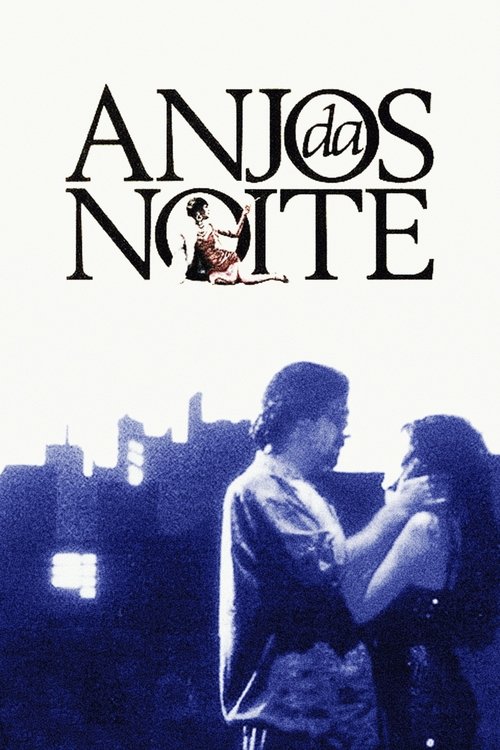
Follows the relationship between two couples: An unemployed professor, Fernando, sustained by his factory worker girlfriend Rita, and sexist and reactionary Luís Carlos and inexperient Lilita.
1982

1992

1970

1984

1971
1987

1990

1974
No reviews yet. Be the first to share your thoughts on this movie!
Use the rating form above to leave a star rating and optional review.