Thief or Reality
2001
No user ratings available yet
Representation score: 4.6 out of 10
No Poster Available
Representation Score
Good
2002
Director
Shoja Azari
Runtime
85 minutes
Average Rating
No ratings yetNew Showbiz Analysis
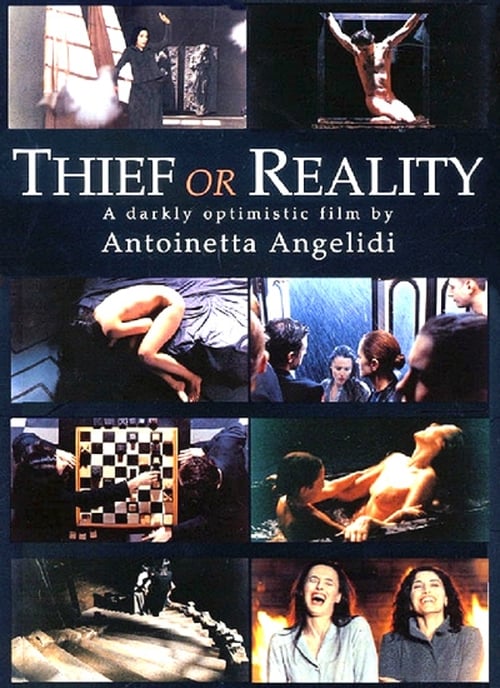
K is a series of three vignettes that prioritize atmospheric tension and existential inquiry over traditional character development. The film uses fragmented storytelling to explore systemic violence and human suffering through a surrealist lens. While the work lacks overt demographic markers, it succeeds in disrupting conventional expectations of morality and institutional authority. It shifts away from Western-centric narratives to focus on the cruelty of systemic apparatuses. Ultimately, the film functions as an intellectual critique of power rather than a study of specific identity groups, resulting in a moderate diversity profile.
Category Breakdown
The film does not include any explicit references to LGBTQ+ identities or same-sex relationships. Although it uses a surreal framework that deviates from conventional social norms, there are no clear symbols representing queer identities.
Gender roles in the film align with traditional functions, such as a grieving woman or a maid. However, the film challenges hierarchies by emphasizing vulnerability and the collapse of domestic stability.
The film operates within a global cinematic tradition that challenges Anglo-centric viewpoints. Its focus on systemic power dynamics suggests a non-Western cinematic perspective.
The narrative criticizes institutional power and state-sanctioned violence. It embraces moral relativism and post-modern skepticism, challenging singular moralities and traditional Western storytelling structures.
The presence of an ill adult son introduces themes of chronic illness and dependency. It remains unclear if this character has a significant role in driving the story or if he simply serves as a backdrop for tension.
Present on Screen
Limited or Absent
Official Synopsis
Three stories. We see, but little is explained. In "The Married Couple," a salesman pays a call on an old customer who is with his wife in the upstairs bedroom of their ill adult son. Another salesman may beat him to the punch, but not before disorienting changes. A maid scrubs the floor. "In the Penal Colony": a man arrives at a penal colony where an officer demonstrates a bizarre apparatus, one that punches a message into the skin of a prisoner strapped beneath it. Who will be punished? In "Fratricide," a man is murdered at night by someone he knows well. A woman grieves.
2001
1973

2012
1921

2005
1987

1984

2001
No reviews yet. Be the first to share your thoughts on this movie!
Use the rating form above to leave a star rating and optional review.