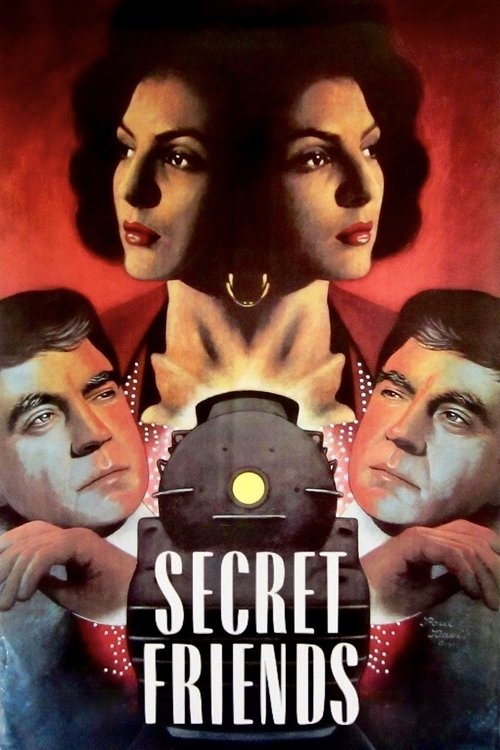
Secret Friends
1991
No user ratings available yet
Representation score: 5.7 out of 10
Representation Score
Good
2001
Director
Anthony Minghella
Runtime
16 minutes
Average Rating
No ratings yetNew Showbiz Analysis
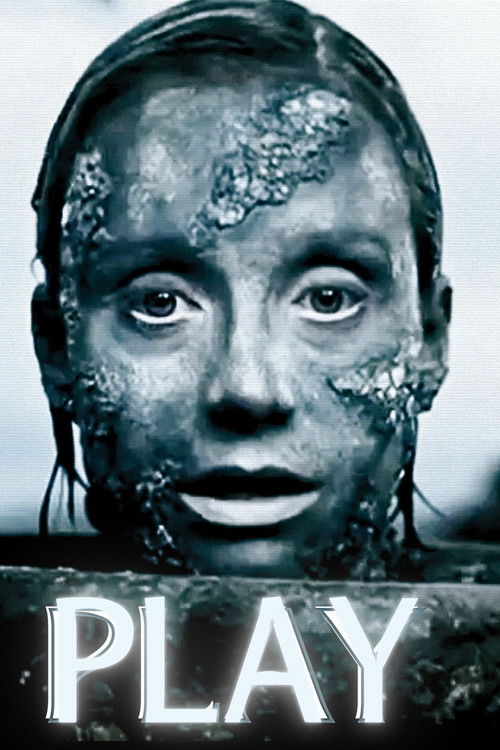
Anthony Minghella’s *Play* is a sophisticated exploration of identity that delves deeply into the psychology of its characters. Using a 'play within a play' structure, the film exposes the layers of social masks and the fluidity of human desire. Its greatest strength lies in its challenge to traditional gender and straight relationship expectations. It shifts away from conventional masculine dominance to highlight the emotional influence of its female characters and the complexity of queer relationships. However, the narrative remains confined to a narrow demographic, focusing primarily on a middle-class, Anglo-centric group. The lack of racial and ethnic diversity and the absence of disability representation limit the film’s broader social perspectives.
Category Breakdown
The film includes LGBTQ+ identities naturally within the social fabric, without making them a spectacle. It explores same-sex relationships as a normal part of the characters' lives.
Female characters have significant intellectual and emotional influence, challenging traditional power dynamics. The film passes the Bechdel test by having meaningful conversations between women about their personal autonomy.
The cast is predominantly white and from a similar demographic, focusing on a specific middle-class, Anglo-centric group. While avoiding harmful stereotypes, the film lacks diverse racial and ethnic representation.
The story centers on a secular, postmodern perspective focused on subjective morality. It emphasizes the micro-politics of personal relationships rather than broader religious or systemic critiques.
There are no characters with visible or invisible disabilities in the film. The movie does not use disability as a plot device but fails to offer any representation.
Present on Screen
Limited or Absent
Official Synopsis
The land is filled with people in urns chattering at top speed, but only to themselves, not to one another. The focus goes to three people: a man, his mistress and his wife.
1991
2015
2009
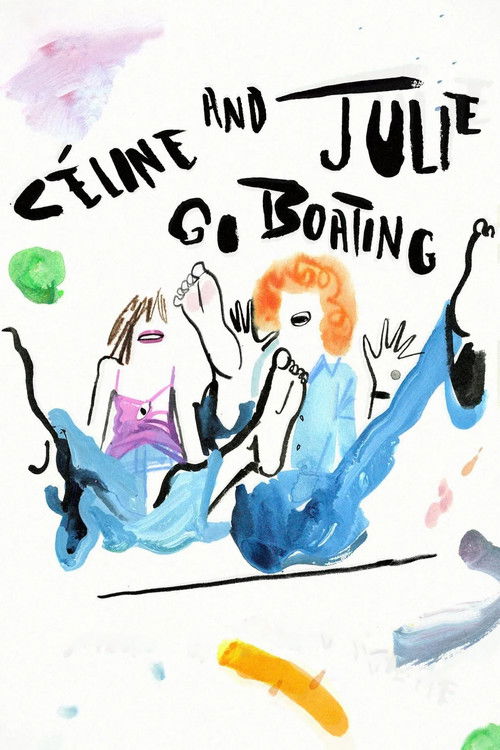
1974
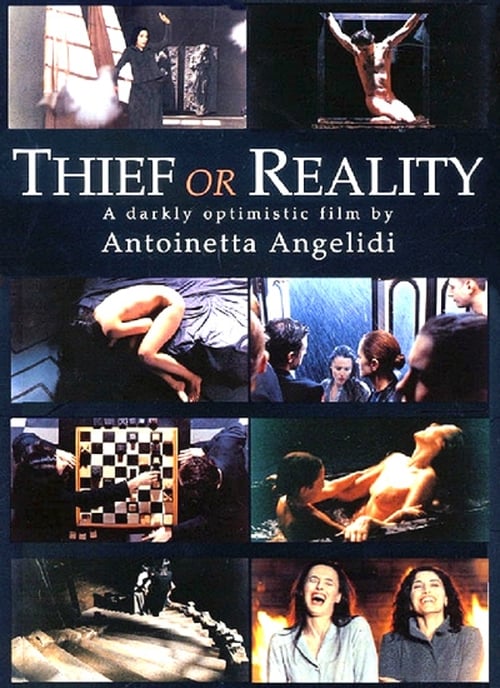
2001
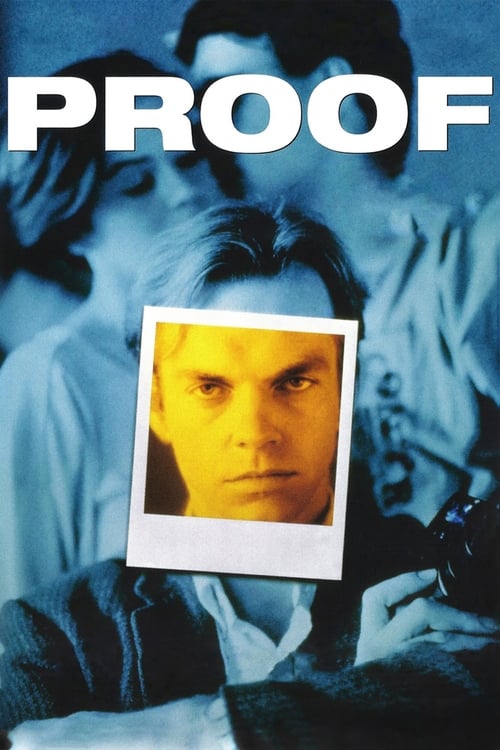
1991
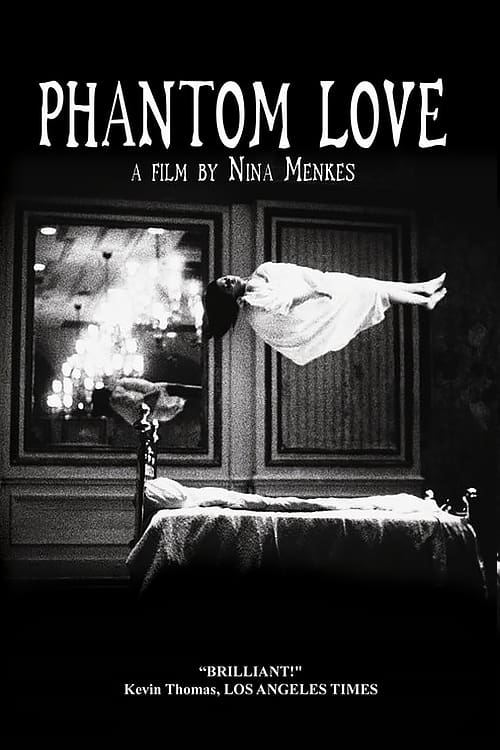
2007

2001
No reviews yet. Be the first to share your thoughts on this movie!
Use the rating form above to leave a star rating and optional review.