Njaan
2014
No user ratings available yet
Representation score: 6.4 out of 10
Representation Score
Excellent
2013
Director
Kamal
Runtime
129 minutes
Average Rating
No ratings yetNew Showbiz Analysis
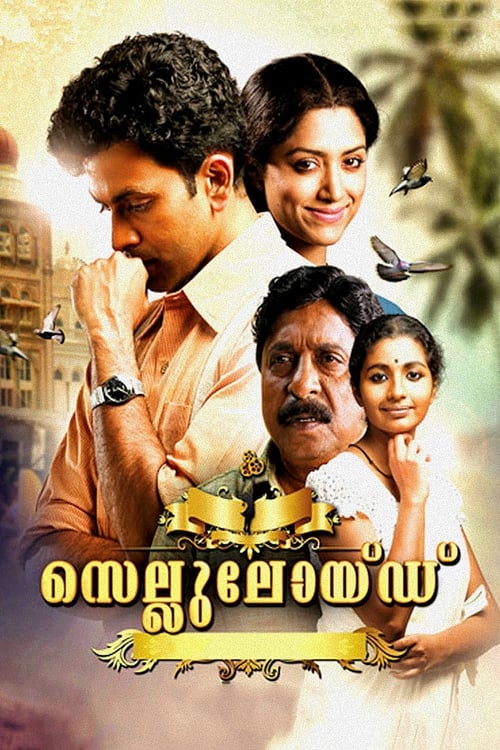
Kamal’s film serves as a restorative historical narrative, reclaiming the legacy of J.C. Daniel. It succeeds by deconstructing the systemic social structures of early 20th-century Kerala and centering a figure whose importance was nearly erased by neglect. The film's strength lies in its ability to challenge conventional historical progress by highlighting how identity and social standing dictate cultural access. It moves beyond simple biography to critique the institutionalized prejudice of the era. However, the focus remains largely on the male protagonist's journey. While it touches on social marginalization, the lack of explicit LGBTQ+ arcs and physical disability representation limits its breadth of diversity.
Category Breakdown
The film focuses on caste and social hierarchies rather than explicit LGBTQ+ identities. While it doesn't include specific LGBTQ+ character arcs, the critique of social conformity provides a subtle look at identity.
Female characters play significant roles in the film's narrative. However, the story primarily revolves around the male protagonist's personal struggle and leadership.
The film excels at depicting regional identity and Kerala's complex caste stratification. It challenges Anglo-centric cinematic histories by centering a localized, non-Western historical struggle.
The story offers a sophisticated critique of oppressive social and religious hierarchies. It frames the protagonist's struggles as a systemic inevitability caused by corrupt traditional institutions.
The narrative explores social and economic 'disability' within a rigid class system. It does not feature physical or neurodivergent representation as a central thematic pillar.
Present on Screen
Limited or Absent
Official Synopsis
Celluloid chronicles the life of J. C. Daniel, the pioneer of Malayalam cinema, whose passion drives him to create Vigathakumaran, the region’s first film. Facing social prejudice, financial ruin, and personal loss, Daniel’s struggle for artistic recognition becomes a moving tribute to the birth of cinema in Kerala.
2014

1969
2014

2018
2019
2018

2025
2019
No reviews yet. Be the first to share your thoughts on this movie!
Use the rating form above to leave a star rating and optional review.