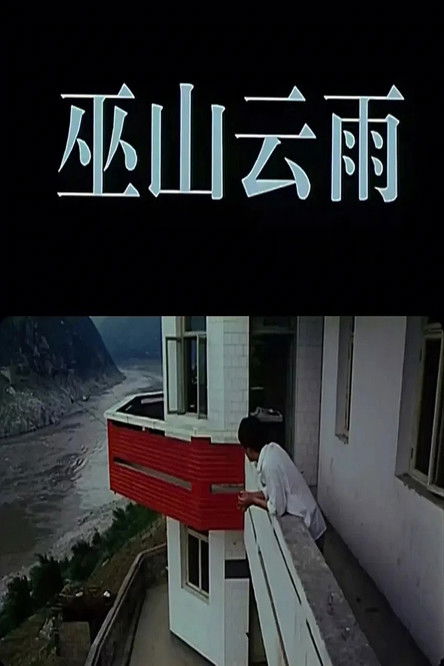
Rainclouds Over Wushan
1996
No user ratings available yet
Diversity score: 5.3 out of 10

2021
Director
Chen Jianbin
Runtime
115 minutes
Average Rating
No ratings yetSynopsis
A man must attempt to clear his name after a theatre puts on a play that accuses him of committing a 30-year-old murder.
Overall Score
Fair
Category Breakdown
LGBTQ+ Representation
The narrative focuses on a central mystery regarding a decades-old murder. There is no visible evidence of LGBTQ+ characters or non-heteronormative identities within the plot.
Gender Representation
The film features prominent female actors like Zhou Xun and Leah Dou. While the central conflict follows a male protagonist, the cast suggests women hold complex roles.
Racial & Ethnic Diversity
The production maintains a culturally homogeneous cast consistent with its Chinese setting. It does not actively engage in the blending of diverse ethnic identities.
Religious & Cultural Diversity
The story explores the tension between subjective perception and objective reality. It critiques how institutions and media can shape an individual's identity and reputation.
Disability Representation
The available information contains no mention of characters navigating physical, neurodivergent, or mental health disabilities.
Strengths
Areas for Improvement
AI Analysis
The Eleventh Chapter is a psychological dark comedy-drama that prioritizes thematic depth over demographic breadth. It utilizes a meta-narrative structure—a play within a film—to examine the fragility of reputation and the power of public perception. While the film lacks intersectional identity politics, it offers a sophisticated critique of systemic scrutiny. The narrative focuses on how social structures and institutional narratives can define or destroy an individual's history. Ultimately, the film functions as a character study of moral relativism rather than a vehicle for diverse representation.
1996
2019
2019

2019
2001
2007
2004
2017
1999

1993
1999
2022
No reviews yet. Be the first to share your thoughts on this movie!
Use the rating form above to leave a star rating and optional review.