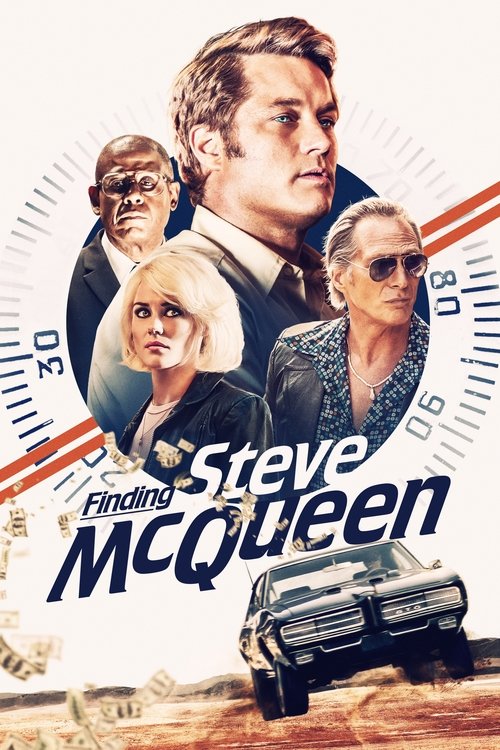
Finding Steve McQueen
2019
No user ratings available yet
Representation score: 3.6 out of 10
Representation Score
Limited
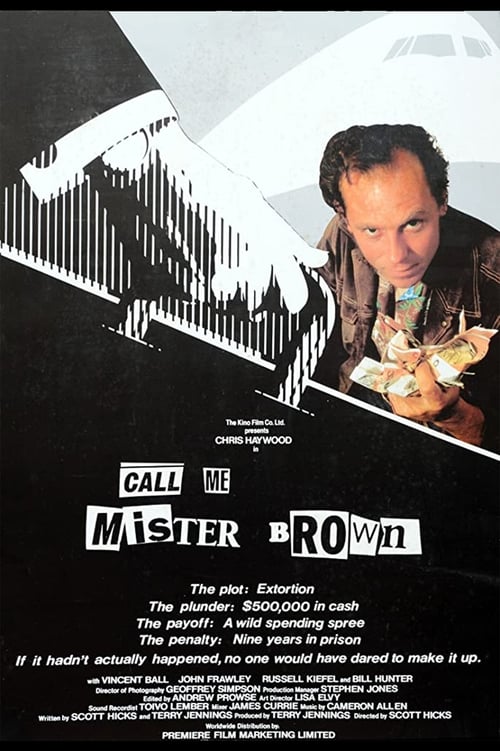
1985
RDirector
Scott Hicks
Runtime
94 minutes
Average Rating
No ratings yetNew Showbiz Analysis
Call Me Mr. Brown is a character-driven narrative that uses its historical setting to challenge systemic inequality. While the film is limited by a narrow focus on masculinity and a lack of LGBTQ+ representation, it excels in its social commentary. The film's strength lies in its ability to use a post-colonial lens to deconstruct the morality of the prevailing social order. By prioritizing human connection over state-mandated segregation, it offers a sophisticated critique of racial hierarchies. Ultimately, the work succeeds as a study of human ethics outside oppressive legal frameworks, even if it remains largely male-centric.
Category Breakdown
The film does not include any LGBTQ+ characters or themes related to non-straight relationships. The story focuses solely on the relationship between the two main characters.
The story follows a traditional masculine framework, focusing almost entirely on the male experience. It lacks meaningful roles for women and challenges to gender stereotypes.
Set during apartheid-era South Africa, the film critiques systemic segregation. It disrupts white-centric storytelling by centering the bond between a white protagonist and a Black child.
The narrative uses a post-colonial perspective to critique Western-style oppression. It portrays the South African state's racial policies as corrupt and unjust.
There is no significant evidence regarding the portrayal of physical or neurodivergent disabilities within the film.
Present on Screen
Limited or Absent
Official Synopsis
Based on the 1971 true story known as "The Great Plane Robbery", this tele-movie tells the story of Peter Macari alias Mr. Brown. Under a grand extortion scam, he steals $500,000 in cash from Australian airlines company Qantas. This begins the start of a major international manhunt to catch a thief who is now living the high life from the spoils of his heist.
2019
1985

2001
1998

1979
1972

2011

2003
No reviews yet. Be the first to share your thoughts on this movie!
Use the rating form above to leave a star rating and optional review.