Joyful Mystery
1984
No user ratings available yet
Representation score: 5.4 out of 10
Representation Score
Fair
1975
Director
Carlos Enrique Taboada
Runtime
114 minutes
Average Rating
No ratings yetNew Showbiz Analysis
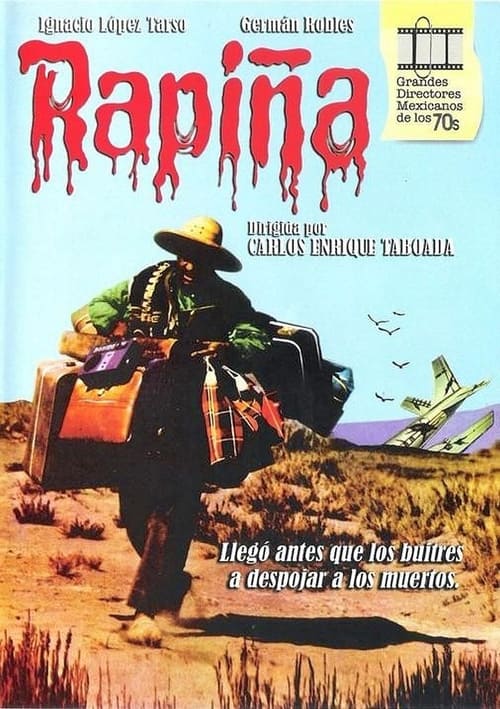
Carlos Enrique Taboada’s *Rapine* is a character-driven film that delves into the psychological impact of social stratification. By focusing on indigenous woodcutters, the film provides a platform for non-Anglo-Saxon perspectives and challenges conventional stereotypes of passive exclusion. The narrative uses a plane crash to explore the tension between socioeconomic desperation and modern institutional wealth. This setup allows for a nuanced critique of class and the moral relativism inherent in survival. However, the film lacks contemporary markers of identity politics. It does not provide visibility for LGBTQ+ identities or specific details regarding gender subversion, focusing instead on broader issues of class and instinct.
Category Breakdown
The film does not include any LGBTQ+ characters or non-straight identities. The narrative focuses solely on the survivalist and moral conflicts of the protagonists.
The film highlights the roles of male woodcutters in driving the plot. However, there is little evidence of female characters or subversion of traditional gender roles.
The film centers indigenous protagonists, giving them significant narrative ability to act. This breaks away from common stereotypes by showcasing them actively navigating and utilizing modern technology.
The story critiques materialist values and systemic inequality. It examines the conflict between humble survivalism and the abandoned wealth of a more technologically advanced society.
There is no documented evidence of physical or neurodivergent disabilities within the film.
Present on Screen
Limited or Absent
Official Synopsis
Two humble indigenous woodcutters discover the wreckage of a plane that has crashed at the top of the mountains and decide to steal the belongings of all the occupants killed in the accident.
1984
2018
1975
2012

1973

1973
1967
No reviews yet. Be the first to share your thoughts on this movie!
Use the rating form above to leave a star rating and optional review.