
You're Not Elected, Charlie Brown
1972
No user ratings available yet
Diversity score: 2.8 out of 10
1978
GDirector
Phil Roman, Bill Melendez
Runtime
24 minutes
Average Rating
No ratings yetSynopsis
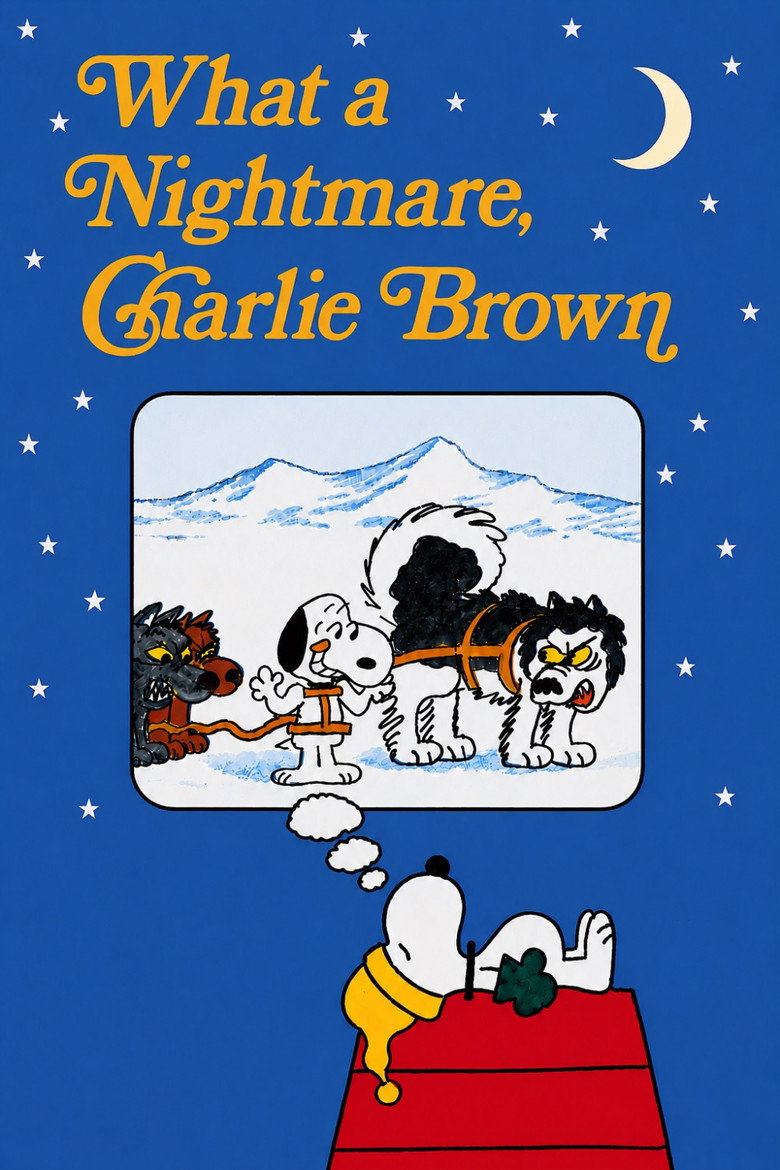
Charlie Brown criticizes Snoopy for being too domesticated and soft. In response, Snoopy drifts into a dream where he imagines himself as a sled dog in the Alaskan wilderness.
Overall Score
Limited
Category Breakdown
LGBTQ+ Representation
The special lacks LGBTQ+ characters or narratives. The social framework remains strictly conventional, focusing on standard peer dynamics within a suburban childhood ensemble.
Gender Representation
Female characters like Lucy van Pelt show significant agency and assertiveness. However, this power is framed through traditional 'bossy' archetypes rather than subverting gender roles.
Racial & Ethnic Diversity
The cast is demographically homogeneous, reflecting a middle-class suburban setting. The narrative operates within a culturally specific, largely Anglo-centric framework typical of 1970s animation.
Religious & Cultural Diversity
The story reinforces traditional Western social structures and seasonal holiday celebrations. It promotes a conventional moral outlook centered on community traditions and perseverance.
Disability Representation
Charlie Brown’s social anxiety and inadequacy serve primarily as comedic 'loser' tropes. There is no intentional representation of physical or sensory disabilities.
Strengths
Areas for Improvement
AI Analysis
This animated special functions as a traditionalist narrative that prioritizes established social norms. It relies heavily on the mid-century Western archetypes found in the original Peanuts comic strip, resulting in a demographic homogeneity that lacks modern inclusivity. The production reinforces conventional social hierarchies rather than challenging them. While certain characters exhibit strong personalities, these traits are used to uphold existing character tropes rather than to explore nuanced identities or diverse perspectives. Ultimately, the work serves as a commercial celebration of community traditions. It lacks the intentionality required to disrupt or expand the social frameworks presented to the audience.
1972
1982

1987

1977
No reviews yet. Be the first to share your thoughts on this movie!
Use the rating form above to leave a star rating and optional review.