
House II: The Second Story
1987
No user ratings available yet
Representation score: 3.2 out of 10
Representation Score
Limited
1992
RDirector
Anthony Hickox
Runtime
104 minutes
Average Rating
No ratings yetNew Showbiz Analysis
Waxwork II: Lost in Time is a genre-focused film that emphasizes visual spectacle and postmodern humor over deep social commentary. Its time-traveling format offers a fragmented look at history, but it stays within the demographic norms of early 1990s mainstream cinema. The storyline heavily depends on well-known horror clichés, avoiding disruption of traditional social hierarchies. Historical segments lack a clear effort to include diverse perspectives or challenge power structures. Overall, the film's emphasis on survival and genre clichés hinders its ability to provide a meaningful critique of the historical periods it portrays.
Category Breakdown
The film follows traditional assumptions about straight relationships and gender norms common in early 1990s cinema. It uses standard romantic storylines without questioning traditional gender roles.
Female characters are mostly portrayed in traditional horror roles, often needing rescue. The story does not center on female intelligence as a main driver of the plot.
The historical settings have mostly white casts typical of 1990s studio productions. There are no non-white actors playing lead roles to break the Anglo-centric narrative.
The film uses a postmodern fantasy lens to explore historical times. However, it avoids criticizing Western institutions, capitalism, or religion and focuses on genre escapism.
Characters with disabilities have limited influence over their own stories. Physical or mental impairments are used as standard horror clichés rather than showing the complexity of living with a disability.
Present on Screen
Limited or Absent
Official Synopsis
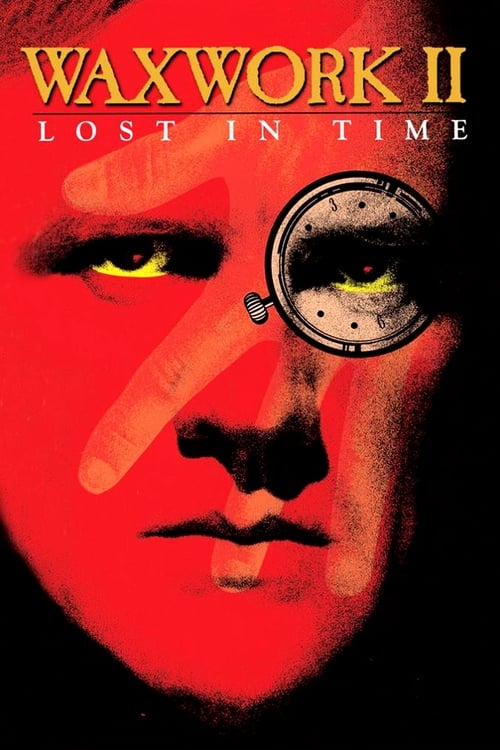
The survivors of the first Waxwork must use a portal through time to defeat the evil that has followed them and turned their lives upside down.
1987

1972

1988

1989

1992

1993

1987

1988
No reviews yet. Be the first to share your thoughts on this movie!
Use the rating form above to leave a star rating and optional review.