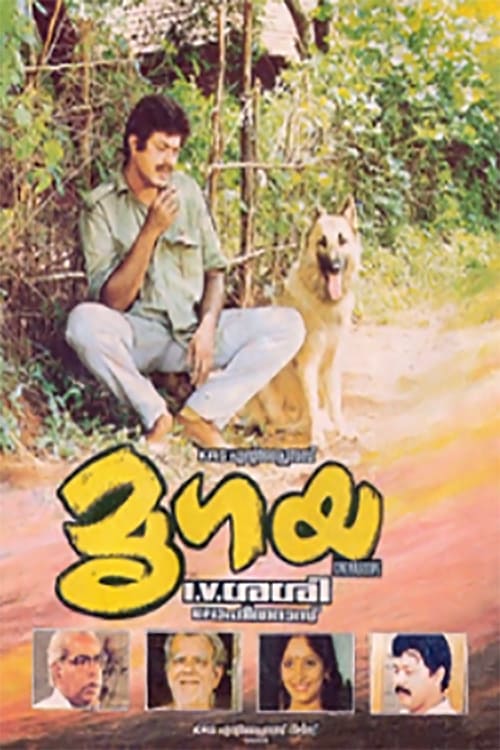
Mrigaya
1989
No user ratings available yet
Diversity score: 3.5 out of 10

1978
Director
S. P. Muthuraman
Average Rating
No ratings yetSynopsis
A leading film actress is controlled by her producer who even refuses to let her get married. Therefore, she seeks the help of a lawyer to get rid of her producer.
Overall Score
Fair
Category Breakdown
LGBTQ+ Representation
The film lacks any evidence of non-heteronormative identities. The central conflict focuses on heterosexual romantic and marital constraints.
Gender Representation
The narrative centers on a female protagonist fighting patriarchal professional structures. She actively seeks legal agency to dismantle a male producer's control.
Racial & Ethnic Diversity
As a Tamil production, the film is inherently representative of South Asian cultural contexts. It maintains a standard cultural baseline for regional cinema of this era.
Religious & Cultural Diversity
The story critiques institutional corruption and the exploitation of individuals. It highlights the importance of legal recourse over traditional subservience to powerful figures.
Disability Representation
There is no information regarding the inclusion of characters with physical or neurodivergent disabilities.
Strengths
Areas for Improvement
AI Analysis
Priya (1978) stands out for its focus on female agency within a male-dominated industry. By centering the plot on a woman reclaiming her autonomy through legal means, the film challenges traditional tropes of female passivity. However, the film's diversity is limited by its narrow focus. It lacks representation for LGBTQ+ identities and characters with disabilities, making the narrative somewhat one-dimensional in its social scope. While it provides a strong critique of professional exploitation, it remains a product of its era, adhering to the cultural and social norms of mainstream South Indian cinema.
1989
1988
1982
1986

2011
2013

1982

2007

2020
1995

1984
1997
No reviews yet. Be the first to share your thoughts on this movie!
Use the rating form above to leave a star rating and optional review.