Om Sakthi
1982
No user ratings available yet
Representation score: 4.2 out of 10
Representation Score
Limited
1989
Not RatedDirector
I V Sasi
Runtime
142 minutes
Average Rating
No ratings yetNew Showbiz Analysis
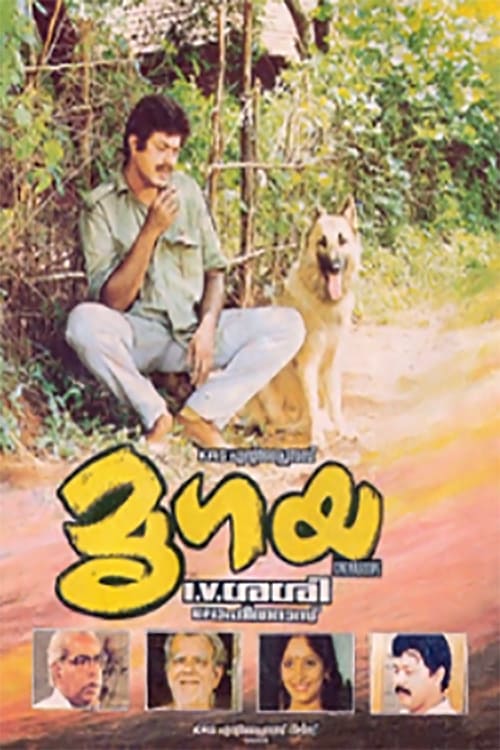
Mrigaya is a character-driven drama that follows a traditional 1980s narrative structure. The film focuses on a singular male protagonist's journey from a hunter to a protector, emphasizing individual morality and ethical redemption. The storytelling adheres to conventional formulas, prioritizing localized human conflict over the disruption of social hierarchies. It functions as a moral study of accountability rather than a vehicle for multi-layered identity politics. Because the narrative is centered on masculine archetypes and a homogeneous village setting, it lacks significant breadth in terms of diverse identity representation.
Category Breakdown
The film does not include any LGBTQ+ characters or narratives. There is no evidence of queer themes or non-straight relationships within the story.
The story centers around a male protagonist navigating a crisis of conscience. While a grieving family is mentioned, there is no explicit portrayal of women's ability to drive the story or subversion of gender roles.
The film reflects the specific ethnic and cultural setting of its regional Indian context. The narrative suggests a homogeneous social environment typical of localized village struggles.
The plot explores themes of guilt and communal duty through a traditional moral lens. It follows a classic arc of individual accountability within a community setting.
There is no mention of characters navigating physical, sensory, or neurodivergent conditions. The narrative does not address disability representation.
Present on Screen
Limited or Absent
Official Synopsis
Varunni, a hunter, is summoned to help some villagers capture a man-eating leopard. When he accidentally kills a man, he decides to support the deceased's grieving family.
1982
1975
1984
2021
1982
1993
2015
1986
No reviews yet. Be the first to share your thoughts on this movie!
Use the rating form above to leave a star rating and optional review.