
Kaminey
2009
No user ratings available yet
Representation score: 4.4 out of 10
Representation Score
Limited
2000
RDirector
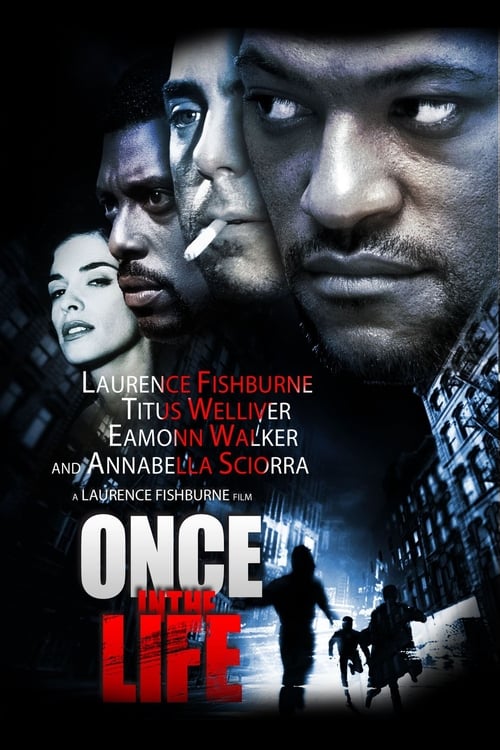
Laurence Fishburne
Runtime
107 minutes
Average Rating
No ratings yetNew Showbiz Analysis
Laurence Fishburne’s directorial debut is a gritty exploration of the Black experience and systemic exclusion. It succeeds by centering Black protagonists and offering a sophisticated critique of the American carceral system as a tool of institutional oppression. However, the film's impact is limited by a narrow demographic scope. The narrative is heavily anchored in hyper-masculine, criminal archetypes, resulting in a near-total absence of female, LGBTQ+, and disabled characters. Ultimately, the film is a specialized study of race and state power. While it disrupts Hollywood's tendency to sideline Black perspectives, its rigid focus on masculine survival dynamics leaves little room for broader social representation.
Category Breakdown
The film focuses almost entirely on hyper-masculine dynamics within a carceral setting. There is a notable lack of non-traditional gender identities or same-sex intimacy.
The narrative operates within a strictly patriarchal framework. Female characters are largely absent, and the film reinforces traditional, violent masculine archetypes as a means of survival.
The film excels by centering Black protagonists and a predominantly Black cast. It provides significant roles to characters of color navigating complex moral landscapes within the carceral system.
The story critiques Western institutional power by framing the prison system as a site of systemic dehumanization. Crime is depicted as a byproduct of socioeconomic exclusion.
There is no discernible representation of physical, sensory, or neurodivergent disabilities. Characters are defined by their physical capacity for violence and survival.
Present on Screen
Limited or Absent
Official Synopsis
Two estranged half-brothers, Billy and Torch, reconnect during a brief jail stay. 20/20 Mike concocts a scheme in which the two of them will steal dope from some young couriers. The heist goes wrong when Billy shoots the couriers dead. They hole up in an abandoned building, and 20/20 Mike seeks help from an old cell mate, Tony.
2009
1986
1989
2008
1998
1990
2005

1998
No reviews yet. Be the first to share your thoughts on this movie!
Use the rating form above to leave a star rating and optional review.