The Sacred
2011
No user ratings available yet
Representation score: 3.3 out of 10
Representation Score
Limited
2005
Not RatedDirector
Jeremy Kasten
Runtime
88 minutes
Average Rating
No ratings yetNew Showbiz Analysis
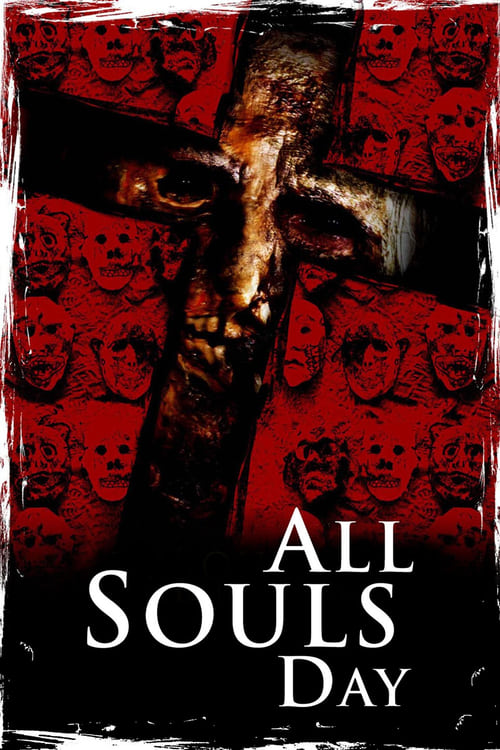
All Souls Day: Dia de los Muertos functions as a traditional genre piece that leverages cultural settings to heighten tension. It relies heavily on the 'strangers in a strange land' cliché, pitting Westernized students against a localized Mexican community. While the film incorporates non-Western folklore and the Dia de los Muertos holiday, it often risks exoticizing the setting rather than offering a nuanced deconstruction of systemic power or identity. The narrative lacks intentional disruption of social hierarchies, focusing instead on the standard horror mechanics of an undead feast and survival.
Category Breakdown
The film does not include any visible LGBTQ+ characters or stories about non-assuming gender matches what was assigned at birth identities. The plot focuses solely on survival horror and the main group of students.
The narrative features a typical mix of male and female students along with a local sheriff. There is no indication of challenging traditional gender roles or hierarchies.
The setting of Santa Bonita and the Dia de los Muertos holiday contribute to a moderate ethnic presence. However, the plot relies on the 'outsider' cliché, featuring Westernized youth unfamiliar with local customs.
Mexican traditions play a key role in creating horror scenarios but are not explored deeply culturally. The story uses local rituals through a lens of Westernized fear.
There is no mention of characters with visible or invisible disabilities in the narrative.
Present on Screen
Limited or Absent
Official Synopsis
During a Day of the Dead celebration, the dead come to life to prey upon the living. In the remote Mexican village of Santa Bonita, a nightmare lay buried for over a century. But when a group of hard-partying students from the OC are stranded in this strange town, they discover an innkeeper with a dark secret a sheriff with a shocking past and a holiday that demands the most horrific sacrifice of all. Now the ceremony can commence. The hordes of the undead have been unleashed. And on this day, an unstoppable feast of human flesh has begun!
2011
2011
2009
1980
2012
2010
2025
1985
No reviews yet. Be the first to share your thoughts on this movie!
Use the rating form above to leave a star rating and optional review.