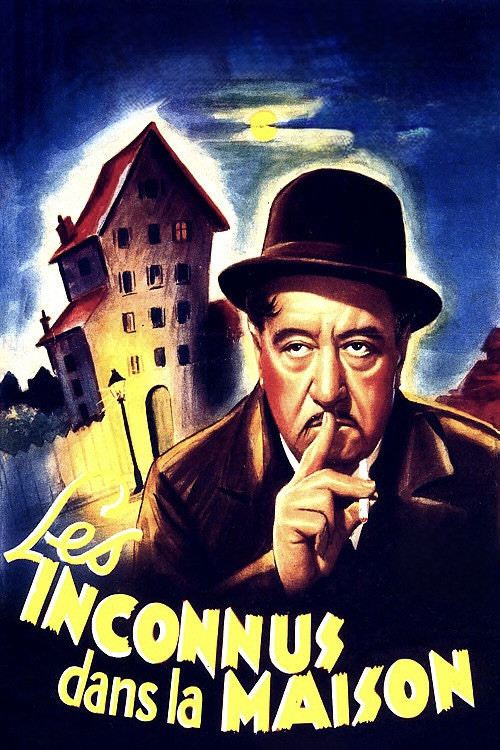
Strangers in the House
1942
No user ratings available yet
Representation score: 3.6 out of 10
Representation Score
Fair
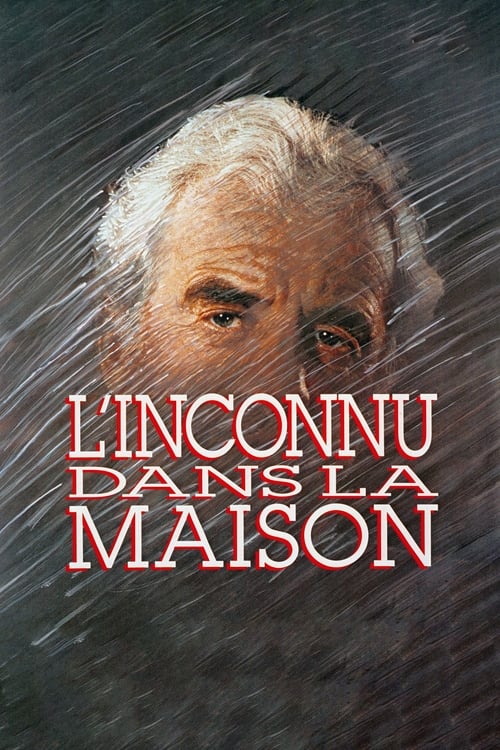
1992
Director
Georges Lautner
Runtime
104 minutes
Average Rating
No ratings yetNew Showbiz Analysis
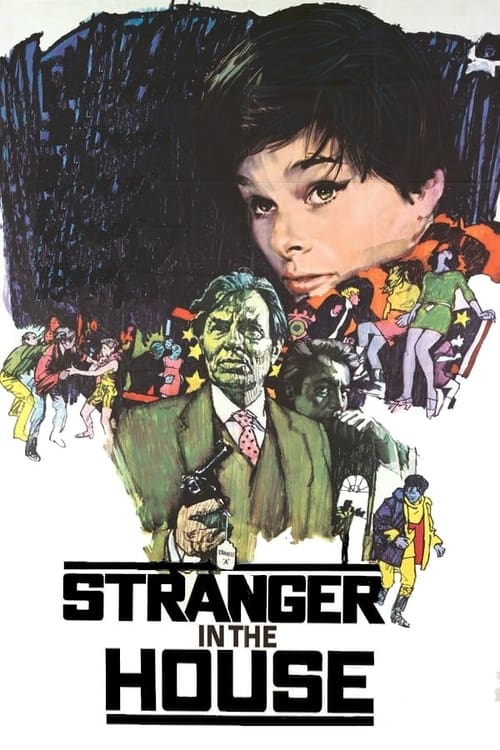
Stranger in the House is a character study centered on social and personal disintegration. The narrative prioritizes class tension and the breakdown of the nuclear family over identity-based storytelling. While the film explores the instability of social norms and the decay of traditional institutions, it lacks the intentionality to advance narratives that consider multiple aspects of identity.
Category Breakdown
The story focuses on heterosexual romantic relationships between Isabelle, Joel, and Antoine. There is no representation of transgender or non-binary identities, and the film does not challenge traditional romantic storylines.
The film looks at the collapse of patriarchal stability through Jacques Loursat. It does not center female characters' roles, instead showing women as part of youthful rebellion and moral ambiguity.
The narrative emphasizes socioeconomic class differences rather than racial or ethnic diversity. The conflict mainly highlights the gap between wealthy youth and those from modest backgrounds.
The film critiques the decline of Western professional and familial structures through themes of alcoholism and moral relativism. It portrays a fragile social order driven by youth entitlement.
Psychological distress is shown as a result of personal tragedy rather than a detailed exploration of mental health issues. No visible or invisible disabilities are central to the characters' stories.
Present on Screen
Limited or Absent
Official Synopsis
Since the suicide of his wife, Jacques Loursat has gone downhill. Estranged from his daughter, his lawyer's pratice in ruins, he consoles himself with drink. One night he is woken by a gunshot and catches sight of a young man fleeing the house. Isabelle, his daughter, claims to know nothing about it, even when he finds the body of a young man. Isabelle hangs around with a gang of spoiled young people who have no shortage of money, and is in love with Joel, an ambitious boy involved in drug dealing. Antoine, from a more modest background, is in love with her. When the police start investigating Joel's murder, Antoine becomes the ideal suspect.
1942
1979
1967
1974

2019
1961

1968
1980
No reviews yet. Be the first to share your thoughts on this movie!
Use the rating form above to leave a star rating and optional review.