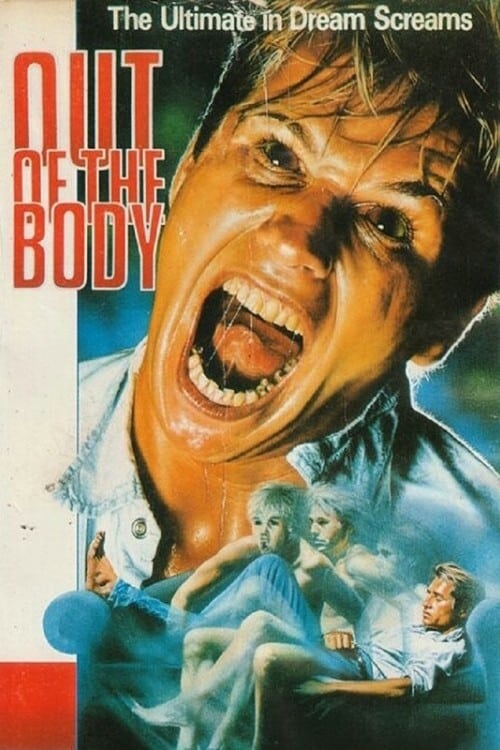
Out of the Body
1988
No user ratings available yet
Representation score: 3.7 out of 10

Representation Score
Limited
1997
RDirector
Michael Paul Girard
Runtime
92 minutes
Average Rating
No ratings yetNew Showbiz Analysis
Witchcraft IX: Bitter Flesh is a conventional late-90s independent horror film that prioritizes genre clichés over social commentary. The narrative relies on established archetypes, such as the victimization of women and the investigation of supernatural threats, without challenging traditional social hierarchies. The film lacks intentionality regarding diverse representation. Characters and settings remain largely homogeneous, following standard Western procedural and supernatural horror structures common to the era. Ultimately, the production focuses on genre thrills rather than providing complex, diverse character studies or subverting systemic norms.
Category Breakdown
The film follows conventional structures that assume everyone is straight or cisgender. It includes supernatural connections between characters and romantic tensions involving LGBTQ+ individuals.
Traditional gender roles dominate the narrative. While Detective Lutz holds an authoritative position, the film relies heavily on the cliché of young women being victims.
The film lacks significant racial or ethnic diversity. Characters seem to inhabit a relatively homogeneous social space within a Los Angeles setting.
The story operates within a standard Western framework using LAPD procedures. It lacks narratives that question established institutions or explore moral relativism.
Sheila’s psychic abilities come from a car accident but function as a supernatural plot device. There is no nuanced exploration of neurodivergence or physical disability.
Present on Screen
Limited or Absent
Official Synopsis
Will Spanner, parted from his body, finds a hooker who can hear him; meanwhile Detectives Lutz and Garner investigate a string of murders seemingly tied to ancient Egypt.
1988
1970
2016
1980
1989

1990
2008
2004
No reviews yet. Be the first to share your thoughts on this movie!
Use the rating form above to leave a star rating and optional review.