Jungle Tales
2010
No user ratings available yet
Representation score: 5.2 out of 10
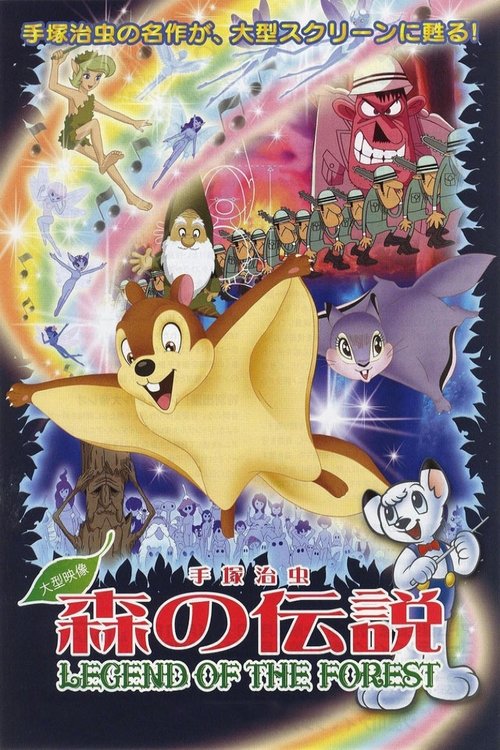
Representation Score
Good
1987
Director
Osamu Tezuka
Runtime
30 minutes
Average Rating
No ratings yetNew Showbiz Analysis
Osamu Tezuka’s work uses anthropomorphic metaphors to critique societal structures and the relationship between humanity and nature. The film serves as a philosophical critique of Western industrial paradigms rather than a modern social commentary. While it lacks explicit LGBTQ+ representation or gender subversion, it effectively challenges human-centric progress through its mythological lens. The narrative emphasizes ecological storytelling over contemporary identity politics.
Category Breakdown
The story focuses on the protagonist's growth and his connection to the ecosystem. There are no characters with non-conforming gender identities or same-sex relationships.
The story centers around Leo, a male protagonist, and his journey toward maturity. Female characters serve mainly as guides or elemental spirits and do not drive the plot.
The film uses anthropomorphic characters to avoid traditional human racial hierarchies. While this approach avoids ethnic stereotypes, it does not provide specific multi-layered depth.
The film promotes a nature-centric morality through animistic and shamanistic spiritual practices. It criticizes industrialization and the negative impact of human expansion on the natural world.
Physical challenges are portrayed as universal biological realities of survival. The film does not explore neurodivergence or specific physical disabilities in detail.
Present on Screen
Limited or Absent
Official Synopsis
A tranquil forest and all of its residents must face the destruction of man. A squirrel, born and raised in the forest, fights to defend his home and faces trials and adversities along the way.
2010
2005
2024
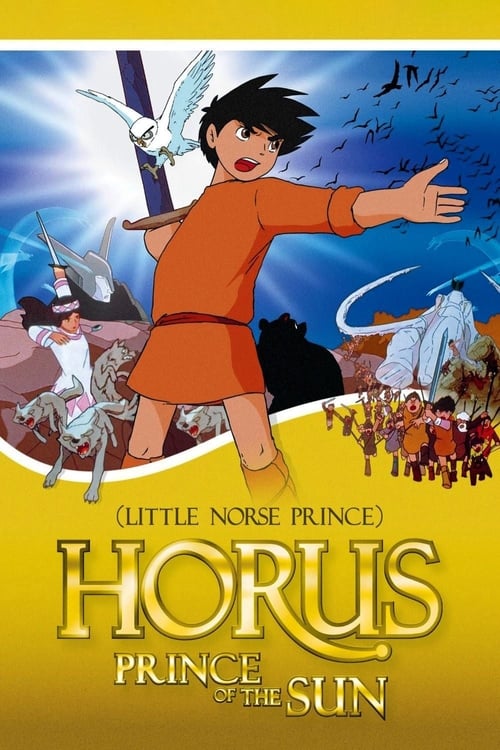
1968
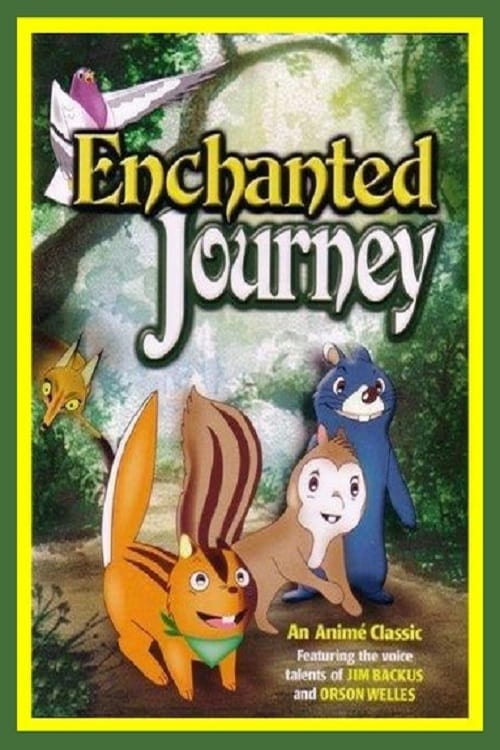
1981
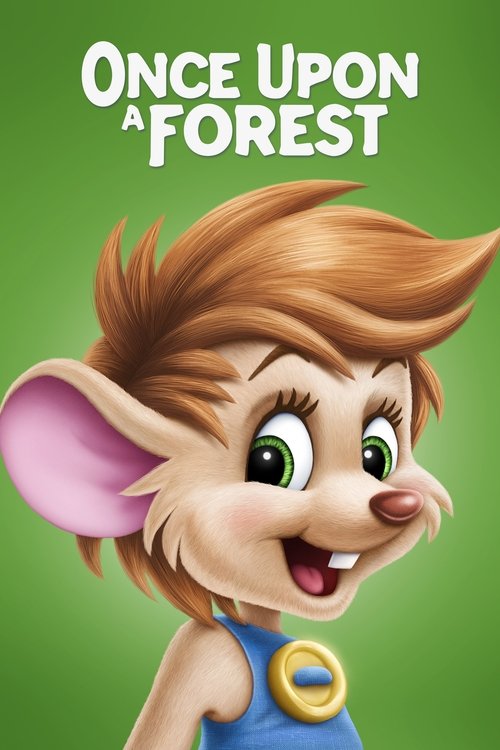
1993
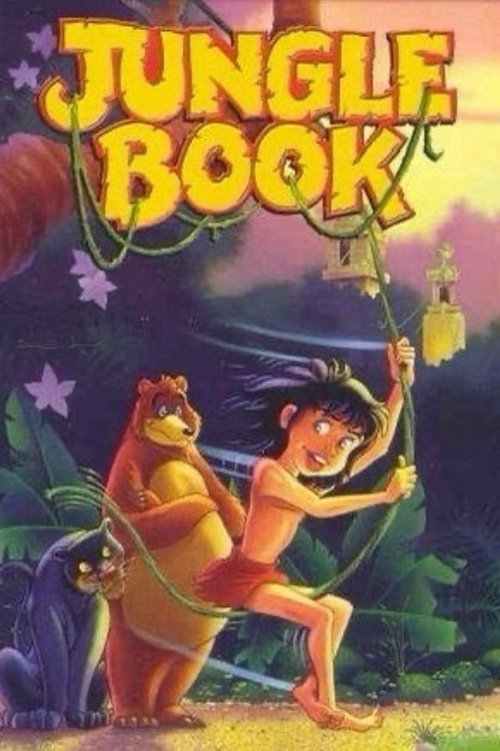
1995
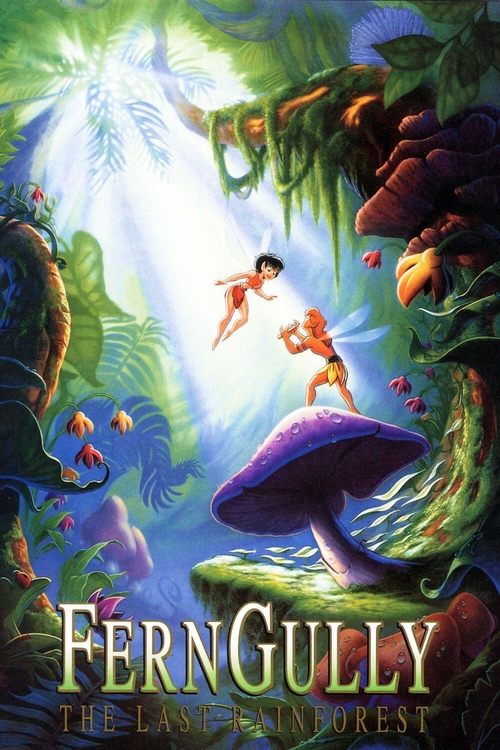
1992
No reviews yet. Be the first to share your thoughts on this movie!
Use the rating form above to leave a star rating and optional review.