Itto
1934
No user ratings available yet
Representation score: 1.2 out of 10
Representation Score
Fair
1936
Director
Marcel L'Herbier
Runtime
110 minutes
Average Rating
No ratings yetNew Showbiz Analysis
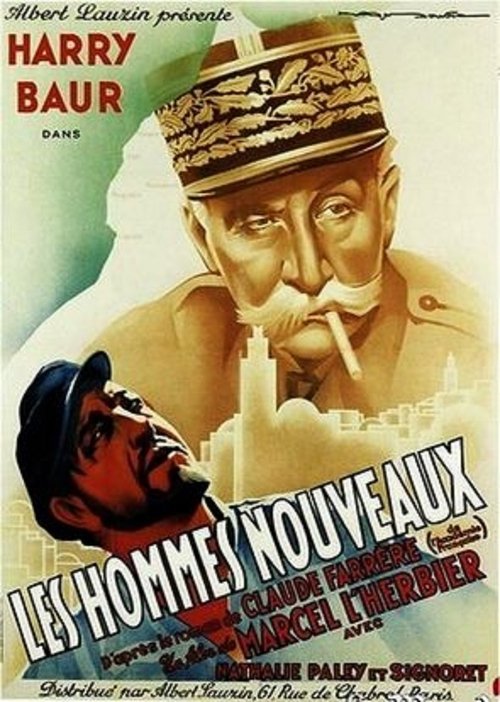
The film serves as a transitional narrative that moves beyond simple moral archetypes. It delves into the psychological complexities of ambition and desire within a colonial framework. Although it adheres to the social constraints of 1936, it offers a more nuanced exploration of human interiority compared to many contemporary dramas. However, the film centers the settler experience in Morocco, which risks marginalizing the indigenous population. Its strength lies in its psychological nuance rather than broad social inclusivity. Ultimately, the work provides a complex study of modernization and the disruption of traditional romantic hierarchies. It succeeds in presenting characters with significant roles, even within the era's rigid social structures.
Category Breakdown
The film challenges straight-centered expectations through Christiane’s admission of love for another man, focusing on emotional truth rather than marital obligations. However, it does not explicitly address queer identity.
The story explores the tension between masculine dominance and feminine autonomy. Christiane’s refusal to forgive her husband subtly subverts the submissive female stereotype.
Set in Morocco, the film emphasizes the settler experience and Western perspectives. Indigenous ability to act appears secondary to the settler's journey.
The narrative examines the tension between traditional social orders and modernization. It critiques the intersection of capitalism and personal ego through Bourron’s land acquisitions.
There is no evidence regarding the portrayal of physical or neurodivergent disabilities in this work.
Present on Screen
Limited or Absent
Official Synopsis
Dedicated to men, natives and French, which under the leadership of General Lyautey, made modern Morocco. After a historical prologue where we see Clemenceau yield to the entreaties of Lyautey, we are witnessing the arrival of settlers on Moroccan soil with the rapid rise of one of them: the ambitious Bourron. Similarly it has conquered the land from scratch, Bourron could conquer a woman, Christiane, who followed him not without confessing his love for another man. It is this love that Bourron will use later to acquire a forest of olive trees, which he believed to be the symbol of its success. Christiane accept but never forgive her husband...
1934

2012
1937
1992
1937
1988

1990

1957
No reviews yet. Be the first to share your thoughts on this movie!
Use the rating form above to leave a star rating and optional review.