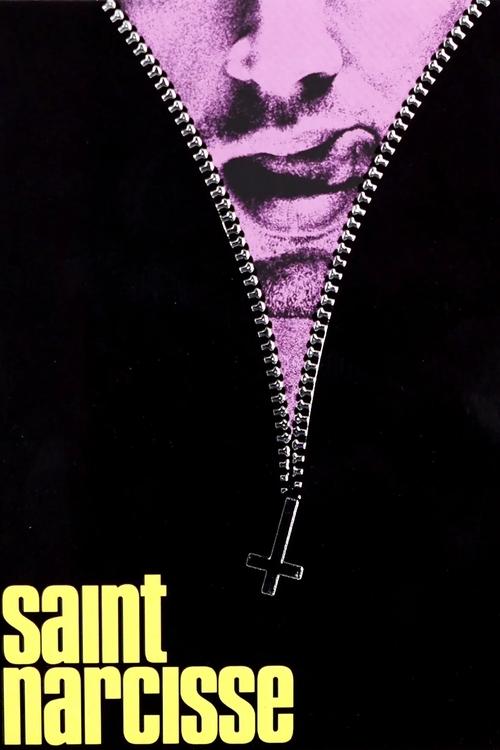
Saint-Narcisse
2021
No user ratings available yet
Representation score: 5.8 out of 10
Representation Score
Good
1991
NRDirector
Bruce LaBruce
Runtime
73 minutes
Average Rating
No ratings yetNew Showbiz Analysis
Bruce LaBruce’s work serves as transgressive cinema that dismantles traditional social and sexual hierarchies. The film uses subcultural archetypes to explore complex, non-normative human connections, prioritizing the empowerment of underrepresented figures. The narrative successfully challenges the 'tough' skinhead stereotype through domesticity and vulnerability. It also questions the idea of fixed identities by portraying silence and perceived disinterest as performative masks. While the film excels in exploring queer and cultural subversion, it lacks explicit racial diversity and provides no information regarding disability representation.
Category Breakdown
The film focuses on queer desire and non-traditional intimacy. It challenges the idea that sexual identity is fixed by showing it as fluid and performative.
The narrative deconstructs the typical tough skinhead stereotype by placing him in a vulnerable, domestic setting. A female filmmaker also plays a key role in uncovering the truth.
The film emphasizes subcultural identity rather than explicit ethnic diversity. It explores the tension between radical identity and intimacy using the skinhead archetype.
By focusing on underrepresented subcultures, the film highlights experiences outside the mainstream. It delves into themes of radicalism and the disruption of authority.
There is no evidence provided to evaluate the representation of physical or neurodivergent disabilities.
Present on Screen
Limited or Absent
Official Synopsis
A lonely hairdresser watches the title sequence of "That Cold Day in the Park" then visits a local park to invite a down-and-out skinhead to his apartment. He draws the silent man a bath and talks to him as he soaks. He locks his guest in a bedroom. Next day, the skinhead leaves through the window and visits his sister, who's making a film called "Sisters of the SLA." He helps with a screen-test. The hairdresser has dreams and fantasies involving the skinhead, the skinhead returns to visit him, and then the filmmaker pays a call on the two men, exposing her brother as faking his silence and pretending a lack of sexual interest. Fantasies can come true.
2021

1980

1969

1976

1965

2012
1995

1985
No reviews yet. Be the first to share your thoughts on this movie!
Use the rating form above to leave a star rating and optional review.