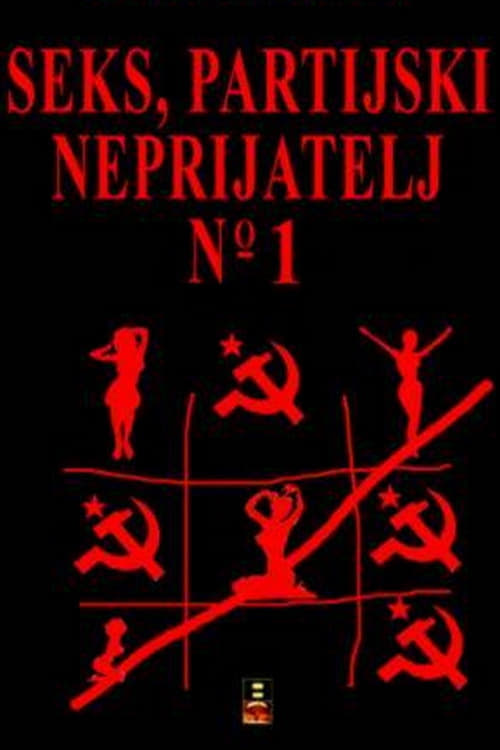
Sex - Party's Enemy No. 1
1990
No user ratings available yet
Diversity score: 5.7 out of 10

1993
Director
Božidar 'Bota' Nikolić
Runtime
118 minutes
Average Rating
No ratings yetSynopsis
The story of three boys who, fascinated with seventh art magic, decide to escape from their remote village straight to Hollywood. In the same time, a local policeman frantically organizes a reception for the president of the state. His "strictly controlled" citizens, under the influence of events in Cuba, in 1962. start dividing in two parties, resolved to succeed where Khruschev and J.F.K. have failed.
Overall Score
Fair
Category Breakdown
LGBTQ+ Representation
The film lacks explicit evidence of LGBTQ+ characters or narratives. The plot focuses on adolescent boys and local political maneuvering, leaving queer themes unconfirmed.
Gender Representation
The narrative centers on male protagonists and authority figures. This male-driven structure suggests a traditional gendered approach with limited evidence of subverting hierarchies.
Racial & Ethnic Diversity
Set in a remote village during 1962, the film reflects a homogeneous ethnic landscape. There is no indication of significant ethnic blending or diverse casting.
Religious & Cultural Diversity
The film effectively critiques state-mandated cohesion by using the Cuban Missile Crisis as a backdrop. It explores the tension between local collectivism and Western escapism.
Disability Representation
There is no mention of characters navigating physical or neurodivergent disabilities within the story.
Strengths
Areas for Improvement
AI Analysis
Three Tickets to Hollywood is a social satire that prioritizes political critique over intersectional representation. It succeeds in deconstructing state institutions and exploring individual agency against systemic ideological conflicts. However, the film's demographic scope is narrow. The focus remains heavily on male-driven plots and a homogeneous regional setting, which limits the breadth of its social commentary regarding gender and race. Ultimately, the work finds its strength in disrupting political orthodoxy rather than through diverse character identities.
1990
1992

1984
1982
1999

1973
2001

2014
1963
1987
1978
1981
No reviews yet. Be the first to share your thoughts on this movie!
Use the rating form above to leave a star rating and optional review.