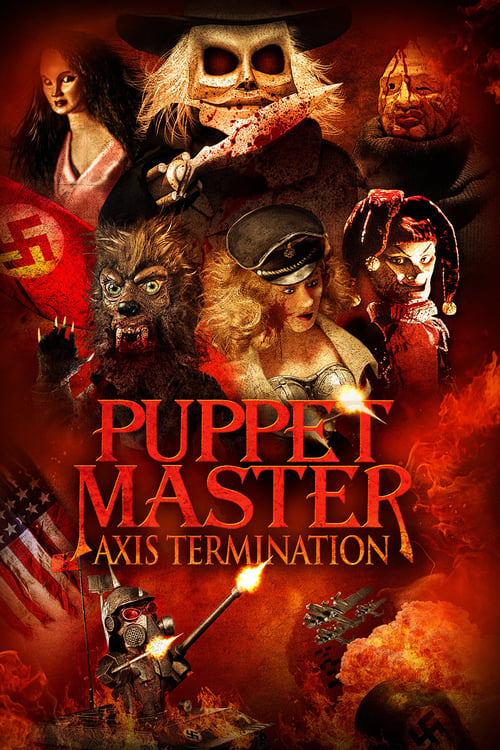
Puppet Master: Axis Termination
2017
No user ratings available yet
Representation score: 4.5 out of 10

Representation Score
Fair
2020
Not RatedDirector
John Lechago
Runtime
70 minutes
Average Rating
No ratings yetNew Showbiz Analysis
Blade: The Iron Cross functions primarily as a genre-driven horror film rooted in the Puppet Master franchise. It prioritizes supernatural conflict and horror clichés over intentional social commentary or complex identity issues. The film provides a baseline of ability to act through its female lead but largely adheres to established horror conventions. It lacks the narrative depth needed to challenge traditional social hierarchies or engage with complex identity politics. Ultimately, the production focuses on the mechanics of the horror subgenre, using character traits like psychic sensitivity as tools for tension rather than meaningful explorations of human diversity.
Category Breakdown
The film does not include any visible LGBTQ+ characters or explore non-cisgender identities. The story centers on the psychic connection between the protagonist and the puppet.
Elisa Ivanov plays a central role with significant influence through her psychic abilities. While she avoids being a passive victim, the film does not actively challenge traditional gender roles.
The protagonist's Slavic background offers a break from Anglo-centric narratives. However, ethnic identity is secondary to the supernatural storyline and does not serve as a lens for systemic critique.
The story critiques Nazi ideology through the villainy of Dr. Hauser. This critique follows typical horror clichés rather than providing a nuanced deconstruction of historical institutions.
Psychic sensitivity and mental distress are explored through Elisa's nightmares. These elements serve as horror plot devices rather than empowering representations of neurodivergence or disability.
Present on Screen
Limited or Absent
Official Synopsis
When the malevolent Dr. Hauser, the Third Reich's maddest scientist, rises again with murder and mayhem on his mind, psychic journalist Elisa Ivanov awakens her own angel of death in Blade.
2017
1960

2010

2014
2012
2022
2018

2015
No reviews yet. Be the first to share your thoughts on this movie!
Use the rating form above to leave a star rating and optional review.