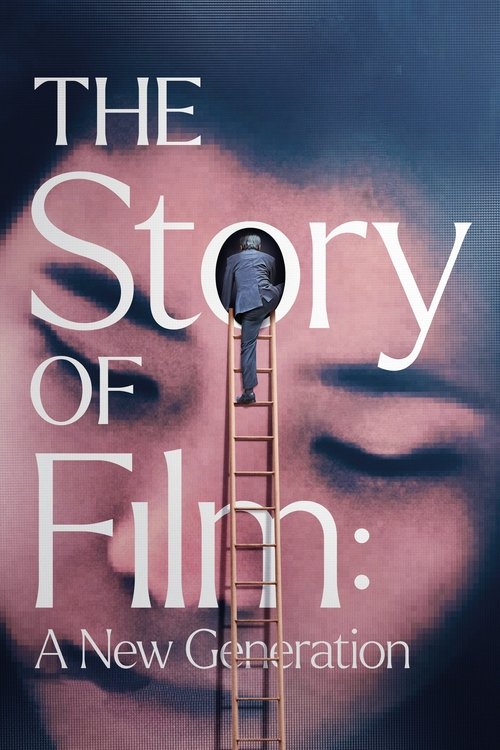
The Story of Film: A New Generation
2021
No user ratings available yet
Representation score: 8.9 out of 10

Representation Score
Excellent
2013
Director
Mark Cousins
Runtime
105 minutes
Average Rating
No ratings yetNew Showbiz Analysis
Mark Cousins delivers a sophisticated essay film that challenges conventional cinematic history. By using a globalized montage, the work offers a multifaceted view of the human experience. The film's strength lies in its ability to move beyond singular cultural narratives, providing a platform for a multi-layered understanding of identity construction through the lens of the camera. While the global scope ensures a pluralistic view, the film lacks specific thematic depth regarding queer identities and disability representation, which remain secondary to the broader historical survey.
Category Breakdown
The film touches on various representations of LGBTQ+ identities through its global archival survey. However, queer-coded childhoods are not a central theme of the documentary.
It examines how gender expectations are imposed on children in cinema. The film provides space to critique traditional hierarchies and the socialization of gender roles.
The film earns a high score through its global scope that moves away from Western-centric perspectives. International archival footage helps deconstruct the historical dominance of specific film industries.
The documentary prioritizes filmic analysis over religious or traditional moralizing. It treats the child as a shifting cultural construct subject to historical and systemic shifts.
The film focuses on the general presence and representation of children. It is unclear if depictions of neurodivergence or physical differences are treated with ability to act.
Present on Screen
Limited or Absent
Official Synopsis
A meticulous essay on the presence and representation of children in the history of cinema, in which cinematographies from all over the world are analyzed.
2021

2010
2017

1995

2004

2004

2018

2011
No reviews yet. Be the first to share your thoughts on this movie!
Use the rating form above to leave a star rating and optional review.