A Bullet for Rommel
1969
No user ratings available yet
Representation score: 1.0 out of 10
Representation Score
Minimal
1969
12Director
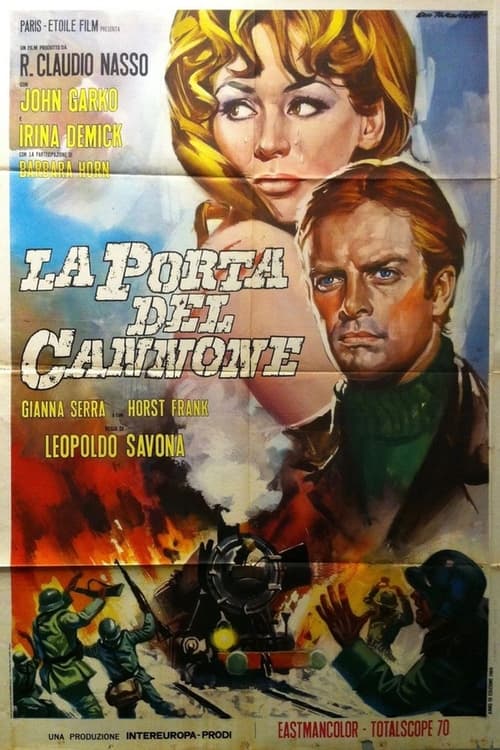
Leopoldo Savona
Runtime
92 minutes
Average Rating
No ratings yetNew Showbiz Analysis
Thunder from the West is a conventional wartime espionage thriller that adheres strictly to the genre clichés of the late 1960s. The narrative is driven by a singular, high-stakes mission involving a male protagonist, which limits the scope of character interaction and identity exploration. The film lacks complexity in reflecting multiple aspects of identity, focusing instead on a standard protagonist-driven trajectory. By centering on masculine archetypes of combat and infiltration, the work reinforces the traditional hierarchies and demographic norms typical of mid-century European war cinema. Ultimately, the film serves as a period-typical example of the spy thriller, prioritizing geopolitical struggle over diverse or subversive character representation.
Category Breakdown
The film does not include any characters with LGBTQ+ identities. The story focuses solely on geopolitical conflict and espionage.
The story centers on male archetypes, featuring an Italian secret agent and a male resistance leader. This reinforces traditional masculine roles common in wartime cinema.
The setting and protagonist suggest a European-centric perspective. The film adheres to the demographic norms of mid-century Western and Central European war films.
The plot operates within traditional wartime morality and state-sanctioned duty. It lacks themes that challenge Western or secularist status quos.
There is no information available regarding characters with visible or invisible disabilities.
Present on Screen
Limited or Absent
Official Synopsis
During World War II an Italian secret agent is sent undercover to kill the head of the resistance in Budapest.
1969
1959
1972
1978
1969

1965

1966

1943
No reviews yet. Be the first to share your thoughts on this movie!
Use the rating form above to leave a star rating and optional review.