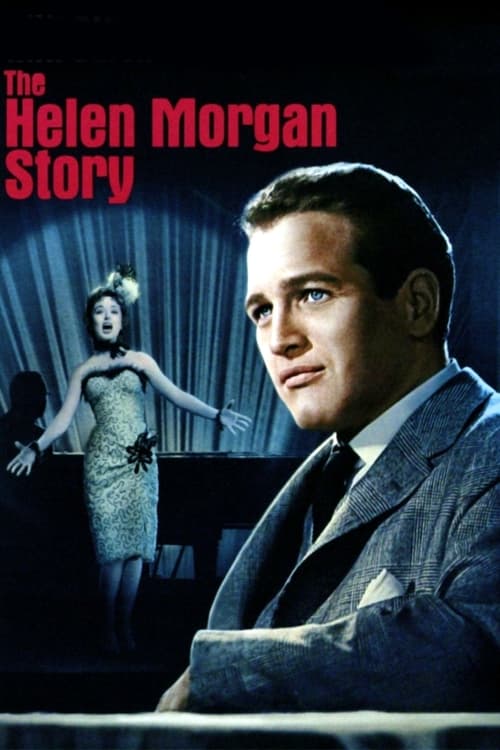
The Helen Morgan Story
1957
No user ratings available yet
Representation score: 2.4 out of 10

Representation Score
Good
1972
RDirector
Sidney J. Furie
Runtime
144 minutes
Average Rating
No ratings yetNew Showbiz Analysis
Lady Sings the Blues is a powerful cinematic deconstruction that rejects sanitized hagiography in favor of a gritty, realistic portrayal of Billie Holiday. The film's primary strength lies in its refusal to gloss over the intersections of race, gender, and institutional corruption. By centering a Black female protagonist, it challenges traditional Western narratives of individual triumph. Instead, it presents personal struggles as the result of systemic oppression and a predatory legal system. However, the film remains limited in its exploration of non-straight identities and does not engage with queer perspectives or diverse sexual identities.
Category Breakdown
The film focuses on heterosexual relationships, particularly the protagonist's romance with Louis McKay. It does not explore non-straight identities or challenge assumptions about heterosexuality.
The story centers on a Black female protagonist whose artistic influence shapes the plot. She faces challenges in a male-dominated industry, highlighting the complexities of being a woman in such environments.
The film excels by focusing on the experiences of Black individuals during the Jim Crow era. It uses the protagonist's journey to criticize racial segregation and the systemic barriers faced by Black artists.
The narrative portrays the American legal and judicial systems as harmful to Black citizens. It frames substance abuse as a symptom of a corrupt social hierarchy, rather than a personal failing.
The film depicts addiction as a chronic struggle, emphasizing personal ability to act while sometimes using physical decline as a dramatic device to highlight tragedy.
Present on Screen
Limited or Absent
Official Synopsis
Chronicles the rise and fall of legendary blues singer Billie Holiday, beginning with her traumatic youth. The story depicts her early attempts at a singing career and her eventual rise to stardom, as well as her difficult relationship with Louis McKay, her boyfriend and manager. Casting a shadow over even Holiday's brightest moments is the vocalist's severe drug addiction, which threatens to end both her career and her life.
1957
1979
2014
2014

2016
1988
1959
1972
No reviews yet. Be the first to share your thoughts on this movie!
Use the rating form above to leave a star rating and optional review.