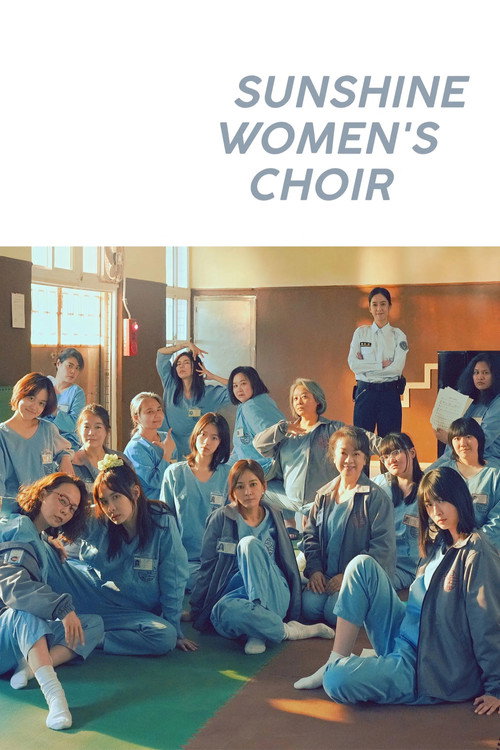
Sunshine Women's Choir
2025
No user ratings available yet
Diversity score: 6.8 out of 10
No Poster Available
2004
Director
Denise Filiatrault
Runtime
105 minutes
Average Rating
No ratings yetSynopsis
1952, Québec - Alys Robi, vocalist at the top of her popularity and recognized worldwide, was interned in spite of herself, by her father. Medical authorities prescribe her the only cure for a possible cure: the lobotomy. Under the bright lights of the operating room, Alys sees her 28-year life flash before her eyes.
Overall Score
Good
Category Breakdown
LGBTQ+ Representation
The film lacks explicit queer identifiers, reflecting the conservative 1950s setting. However, subtextual tensions exist between the protagonist's reality and rigid heteronormative expectations.
Gender Representation
Alys Robi is portrayed as a powerful, intellectual figure. The narrative centers on the systemic attempts by male-dominated institutions to silence and domesticate her excellence.
Racial & Ethnic Diversity
The cast reflects the homogeneous demographic realities of 1952 Québec. It remains grounded in an authentic historical milieu without attempting to alter the era's specific cultural context.
Religious & Cultural Diversity
The film critiques traditional Western and religious institutionalism. It portrays the family and medical structures of the era as oppressive forces rather than sources of support.
Disability Representation
The story offers a harrowing critique of historical medical practices. It focuses on the systemic violence of the lobotomy and the loss of agency for those deemed unstable.
Strengths
Areas for Improvement
AI Analysis
Bittersweet Memories serves as a profound critique of mid-century institutional authority. By centering on the biographical trauma of Alys Robi, the film explores how patriarchal and medical systems conspire to suppress female autonomy. The narrative successfully subverts the standard success story trope. Instead of celebrating fame, it examines the clinical dehumanization of an individual through the lens of historical medical intervention. While the film is historically grounded and culturally specific to Québec, it uses this setting to challenge the sanctity of traditional social orders and the dangers of unchecked institutional power.
2025

2017

2024

2015
2014

2018
2004

2016

2017

2008

1972

1998
No reviews yet. Be the first to share your thoughts on this movie!
Use the rating form above to leave a star rating and optional review.