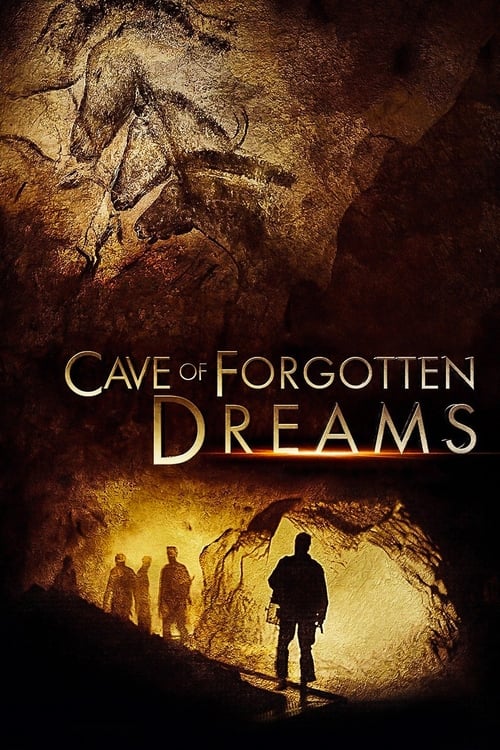
Cave of Forgotten Dreams
2010
No user ratings available yet
Representation score: 3.0 out of 10
Representation Score
Fair
2007
GDirector
Werner Herzog
Runtime
99 minutes
Average Rating
No ratings yetNew Showbiz Analysis
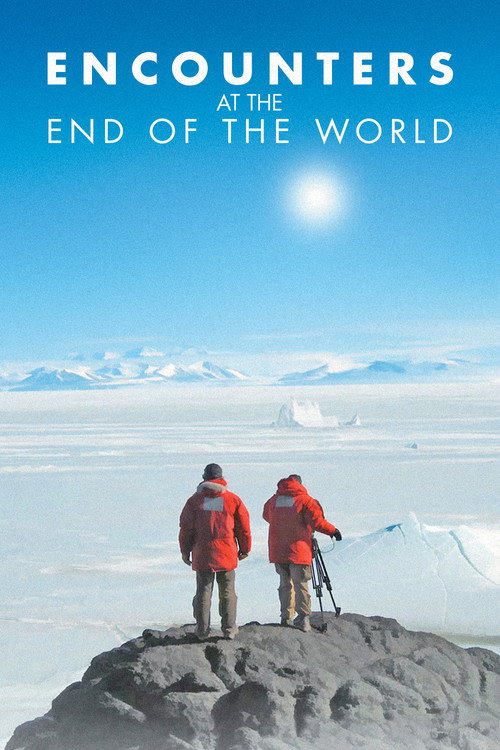
Werner Herzog’s documentary emphasizes philosophical inquiry and existential themes over broad demographic representation. By capturing the reality of Antarctic research stations, the film lacks significant gender and LGBTQ+ diversity. While the film does not center on multi-layered narratives, it offers a cultural critique. It challenges Western exceptionalism by contrasting human endeavors against the vast, indifferent landscape. Ultimately, the work focuses on human isolation and psychological resilience rather than showcasing diverse social identities.
Category Breakdown
The film does not focus on LGBTQ+ identities or include explicit narratives about non-binary gender roles. Instead, it centers on scientific and environmental observations.
The narrative highlights the male-dominated nature of Antarctic research stations, depicting traditional masculine roles such as explorers and scientists without significantly challenging gender hierarchies.
The cast includes real-world researchers and transient workers, reflecting the actual demographics of the scientific community. However, it does not feature a non-white majority.
Herzog critiques Western notions of progress by presenting human ambition as potentially futile. The film avoids singular religious or patriotic ideals, focusing instead on secular, existential themes.
The film examines the psychological effects of extreme isolation and portrays eccentric personalities who thrive in unconventional environments with ability to act.
Present on Screen
Limited or Absent
Official Synopsis
Acclaimed filmmaker Werner Herzog travels to Antarctica, where he finds a desolate, beautiful landscape, largely untouched by human hands, and a group of truly unique people who risk their lives to study it. Centered at McMurdo Station, the United States' largest Antarctic research center, Herzog explores the minds of the scientists willing to abandon civilization and endure volatile conditions to learn more about the continent's wildlife and awe-inspiring natural wonders.
2010
1922

2005
2016

2011
2012
2020
2010
No reviews yet. Be the first to share your thoughts on this movie!
Use the rating form above to leave a star rating and optional review.