Pervertissima
1972
No user ratings available yet
Representation score: 7.2 out of 10
Representation Score
Limited
1974
XDirector
Ed De Priest
Runtime
83 minutes
Average Rating
No ratings yetNew Showbiz Analysis
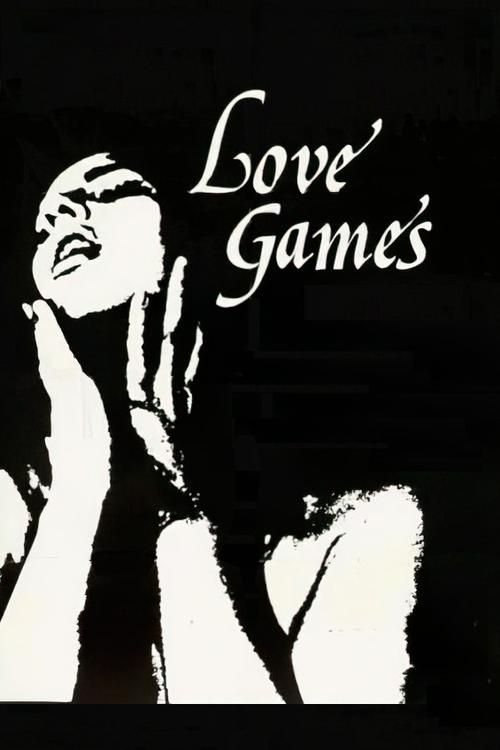
Love Games stands out as a significant example of the Blaxploitation era, emphasizing the presence and ability to act of Black characters in a landscape that historically sidelined these voices. With an all-Black cast, the film marks a departure from the predominantly white casts of the time. However, this progress is undermined by regressive gender dynamics. The film relies on hyper-sexualized female archetypes and dialogue that subordinates women to male desires. The narrative prioritizes lewd, transactional interactions over deeper social or systemic exploration. Ultimately, the film presents a mixed message. It breaks racial barriers while simultaneously reinforcing traditional, patriarchal gender hierarchies through its characterizations and clichés.
Category Breakdown
The film follows a strictly heterosexual structure, focusing on traditional romantic relationships without any LGBTQ+ narratives.
Female characters are often portrayed as hyper-sexualized archetypes. The dialogue reinforces a patriarchal hierarchy where women are subordinate to male desires.
The film features an all-Black cast, which contrasts with the racial homogeneity of 1974 cinema. It centers Black protagonists within an urban narrative.
The story explores urban sexual liberation and transactional interpersonal dynamics. It avoids traditional morality but lacks a systemic critique of institutions.
There is no discernible evidence regarding the portrayal of physical or neurodivergent disabilities in this work.
Present on Screen
Limited or Absent
Official Synopsis
If you find yourself screwing a strange piece of ass who’s waaaaay out of your league and her husband happens to walk in on you and she shoots him dead — whatever you do, don’t cough up 25 G’s for her to hush it up because, my friend, you’re being scammed. It’s just the old badger game. And if you do give her money and her name is Sharon Mills (CLAUDINE BENET, an angular blonde with hefty hooters and a divine ass) then you must be Ed Garner, victim of these lewd and larcenous Love Games... Suspecting a scam, Ed — a married, middle-aged man — seeks help from private detective Rick "The Dick" Taylor,a hard-drinking, wise-cracking, ex-actor who believes there’s "nothing like getting laid in the line of duty." Taylor’s dum-as-they-cum secretary, Lucy Brown (SHARON KELLY), a.k.a. "Juicy Lucy, the girl with secretarial secretions," is only too happy to fill her mouth with Rick’s private dick. As Rick says, "A woman should be obscene and not heard."
1972

1986

1967

1974
1979

1972
1977
1990
No reviews yet. Be the first to share your thoughts on this movie!
Use the rating form above to leave a star rating and optional review.