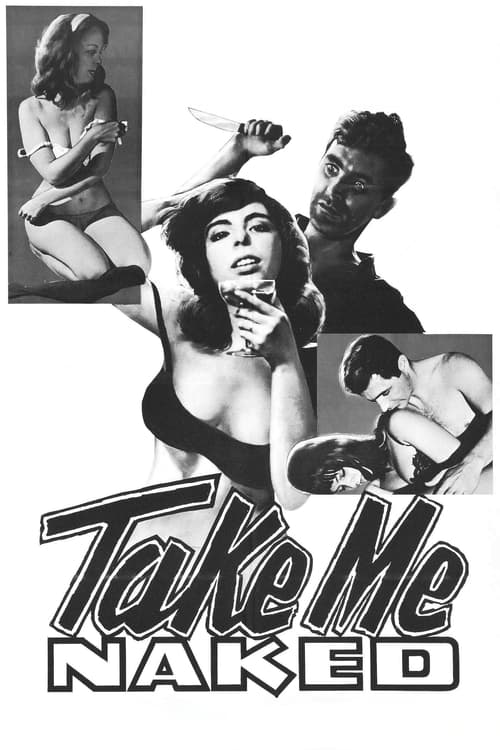
Take Me Naked
1966
No user ratings available yet
Representation score: 1.7 out of 10

Representation Score
Fair
1969
RDirector
Alberto De Martino
Runtime
99 minutes
Average Rating
No ratings yetNew Showbiz Analysis
Alberto De Martino’s film is a period-specific exploration of genre decadence rather than a vehicle for social commentary. It succeeds in disrupting traditional 1950s domestic stability by presenting a hedonistic, unstable Los Angeles. However, this subversion is atmospheric rather than intentional or multi-layered. The film relies heavily on established genre clichés, particularly regarding gender and disability. While it captures the era's preoccupation with sexual liberation, it fails to provide depth to the identities it touches upon, treating them as stylistic textures of a gritty underworld.
Category Breakdown
The film captures a swinging Los Angeles subculture defined by sexual liberation. However, specific LGBTQ identities are not explored, and sexual fluidity serves primarily as an atmospheric element of era-specific decadence.
Women play key roles in driving the plot's momentum but often fall into the femme fatale archetype. Their roles oscillate between being agents of chaos and objects of mystery, reinforcing traditional gendered clichés.
The urban Los Angeles setting suggests a diverse backdrop, yet the narrative lacks evidence of a non-white majority cast. The focus remains on a stylized, pulp-driven underworld aesthetic.
The film depicts a fractured social order through drug use and violence. This setting critiques traditional mid-century values by favoring a landscape of moral relativism and social instability.
There is no evidence of characters with disabilities portrayed with ability to act. In this genre, impairments often serve as plot devices rather than explorations of lived experience.
Present on Screen
Limited or Absent
Official Synopsis
We follow the Journal reporter Paulo whose close friend mysteriously been taken out of the way and it's now up to Paulo to figure out who the culprits are. The film is set in a drug-scented and "swinging" Los Angeles, where orgies and violence seem to be commonplace, and it soon appears that Paulo is on someone's hit list.
1966
1971
1975
1971
1964

1970
1973
2003
No reviews yet. Be the first to share your thoughts on this movie!
Use the rating form above to leave a star rating and optional review.