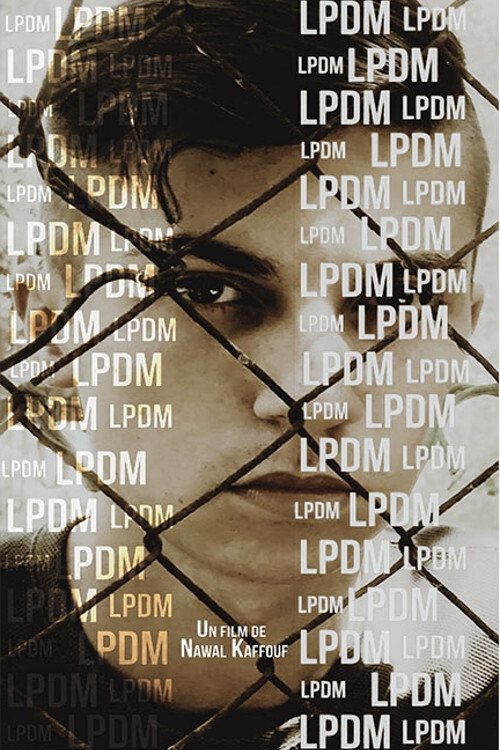
LPDM by Nawal Kaffouf
2019
No user ratings available yet
Representation score: 8.0 out of 10
Representation Score
Excellent
2019
Director
Dominique Baron
Runtime
90 minutes
Average Rating
No ratings yetNew Showbiz Analysis
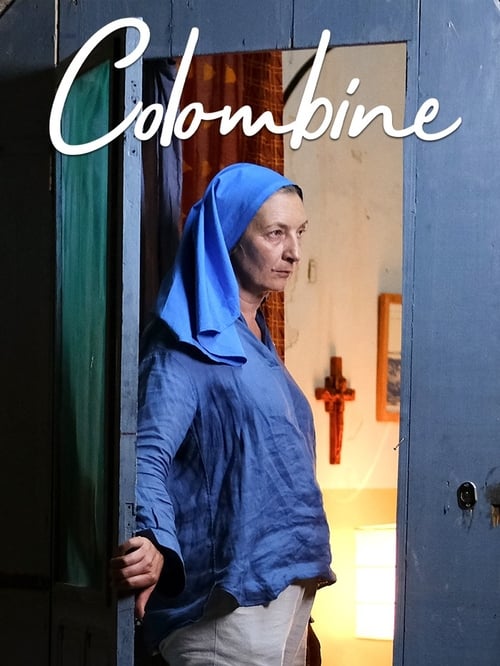
Colombine succeeds in disrupting Eurocentric medical dramas by centering West African ability to act. The film avoids the 'white savior' cliché, instead presenting a complex partnership between a local provider and a doctor of the African diaspora. The characterization of Colombine is particularly effective, offering a non-dogmatic portrayal of a religious woman who is also a pragmatic, armed survivor. This adds layers of cultural authenticity and moral complexity to the setting. However, the film lacks visible representation for LGBTQ+ identities and provides little insight into the specific lived experiences of disability.
Category Breakdown
The film does not include explicit representations of LGBTQ+ characters or non-straight identities. The relationship between two women is highlighted without clear evidence of queer subtext.
Two independent women lead the story in a high-stakes environment. Colombine subverts passive clichés by acting as a strong-willed, armed authority figure within her community.
The film centers West African ability to act and explores the African diaspora through Mélia. This approach effectively deconstructs the 'white savior' cliché by prioritizing local medical knowledge.
The story offers a nuanced view of spirituality through Colombine, a religious yet pragmatic woman. It critiques Western medical hegemony by focusing on the realities of local bush medicine.
The narrative mentions caring for sick children, but it is unclear if disability is explored with real control over the situation. The focus remains on systemic caregiving struggles rather than specific lived experiences.
Present on Screen
Limited or Absent
Official Synopsis
In West Africa, Colombine runs a dispensary in risky bushland. A strong-willed, whiskey-drinking religious woman armed with her rifle, she takes care of sick and orphaned children in the region. She sees Mélia arrive, a somewhat imprisoned Parisian MSF doctor, herself an African orphan, but who has never returned to her homeland since childhood. She discovers bush medicine, its difficulties and the dilemmas that caregivers must face in the face of chronic shortages of equipment and medicines. These two courageous but opposite women form an unlikely team. They will have to learn to overcome their barriers and confess their secrets to protect the dispensary and the children from the dangers of the region and a threat that surpasses them.
2019
2019
2017

2019
2005
2017

2018
2018
No reviews yet. Be the first to share your thoughts on this movie!
Use the rating form above to leave a star rating and optional review.