
Leila
2018
No user ratings available yet
Representation score: 4.3 out of 10
Representation Score
Excellent
2019
Director
Nawal Kaffouf
Average Rating
No ratings yetNew Showbiz Analysis
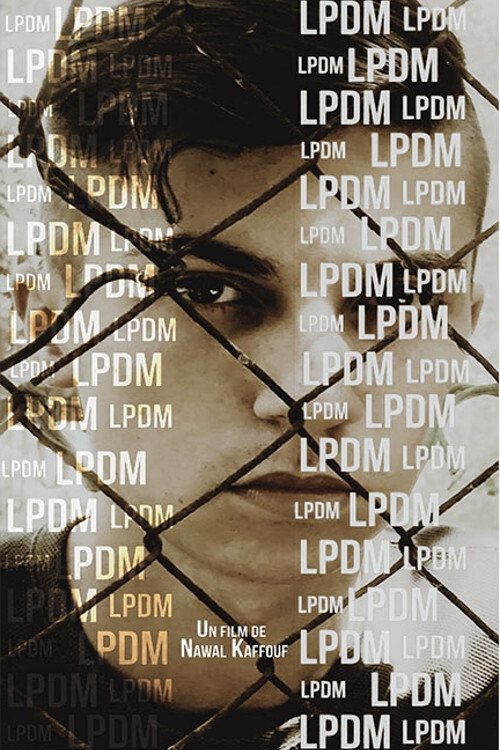
LPDM operates as a serious drama centered on institutional critique. By focusing on high-stakes themes like the death penalty, journalism, and the justice system, the film moves away from idealized social structures. The work appears positioned to explore the complexities of systemic power and the tension between the individual and the state. This thematic foundation provides a platform for a progressive inquiry into social authority.
Category Breakdown
The film doesn't provide specific information about characters with non-binary genders or LGBTQ+ relationships. It avoids derogatory stereotypes, maintaining a neutral stance.
Actresses like Audrey Quoturi and Sweety Luchmoneea are featured in the cast. However, their roles and influence within the story are not clearly defined.
The inclusion of Rachid Brahmi and the director's background indicate a perspective that goes beyond Anglo-centric viewpoints. Themes of justice and incarceration suggest nuanced portrayals of diverse communities.
The narrative examines the conflict between individuals and state institutions like the police and prisons. This focus suggests a critique of traditional Western institutional power and morality.
There is no confirmed evidence of characters with physical or cognitive disabilities. Although the medical setting offers opportunities for such stories, no specific arcs are documented.
Present on Screen
Limited or Absent
2018
2016

2008

2016
2019

2009
2012

2011
No reviews yet. Be the first to share your thoughts on this movie!
Use the rating form above to leave a star rating and optional review.