
The Age of Potential
1996
No user ratings available yet
Representation score: 5.9 out of 10
Representation Score
Fair
1994
Director
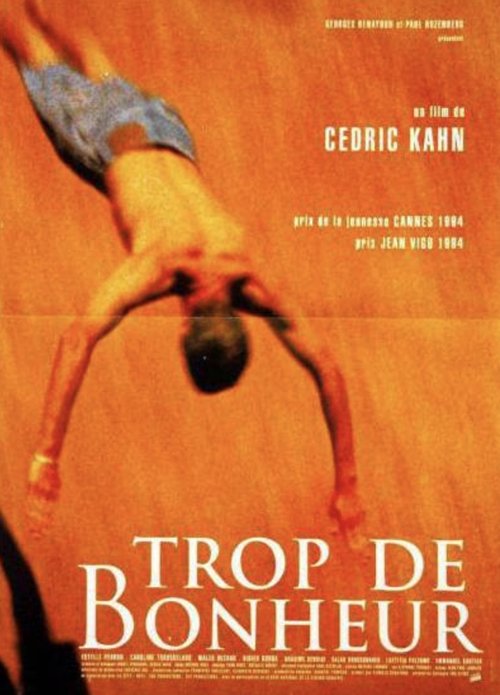
Cédric Kahn
Runtime
85 minutes
Average Rating
No ratings yetNew Showbiz Analysis
Happy, Too Happy focuses on the journey of adolescents rebelling against socio-environmental determinism. The film centers on four main characters navigating the transition from adolescence to adulthood while challenging the predestination of their backgrounds. By emphasizing characters on the periphery of institutional acceptance, the film deconstructs social hierarchies. It highlights the complexity of identity formation through a lens of social non-conformity. However, the narrative lacks explicit details about specific romantic pairings or the racial makeup of the cast. This leaves certain aspects of the characters' identities and backgrounds open to interpretation rather than direct representation.
Category Breakdown
The film examines the tension between personal identity and societal labels. It highlights the fluid nature of teenage attraction and the rejection of traditional heterosexual norms.
Characters resist societal rejections and traditional passive roles. The story favors complex, turbulent portrayals of identity over stable gender types.
The narrative addresses how environmental and systemic factors shape identity. This ties into themes of social realism and the pressures of urban settings.
The story centers on the subjective experiences of underrepresented individuals rather than traditional institutions. It critiques systemic constraints by focusing on those excluded from social order.
There is no specific evidence regarding the depiction of physical or neurodivergent disabilities.
Present on Screen
Limited or Absent
Official Synopsis
What is beautiful about adolescence is that it is a time when everything is still possible. The four main characters are each conditioned by their background and environment, but they refuse to accept any predestination and to fight it. Expelled from schools, spurned by lovers, confined by identity these youngsters just keep on running, frustrated and in flames. Lonely hearts, intoxicated by music and alcohol, by the heat of minds and bodies, burn to ashes.
1996

2014

2004
1994

1998

1994
1994
1995
No reviews yet. Be the first to share your thoughts on this movie!
Use the rating form above to leave a star rating and optional review.