Cutting Moments
1997
No user ratings available yet
Diversity score: 4.6 out of 10
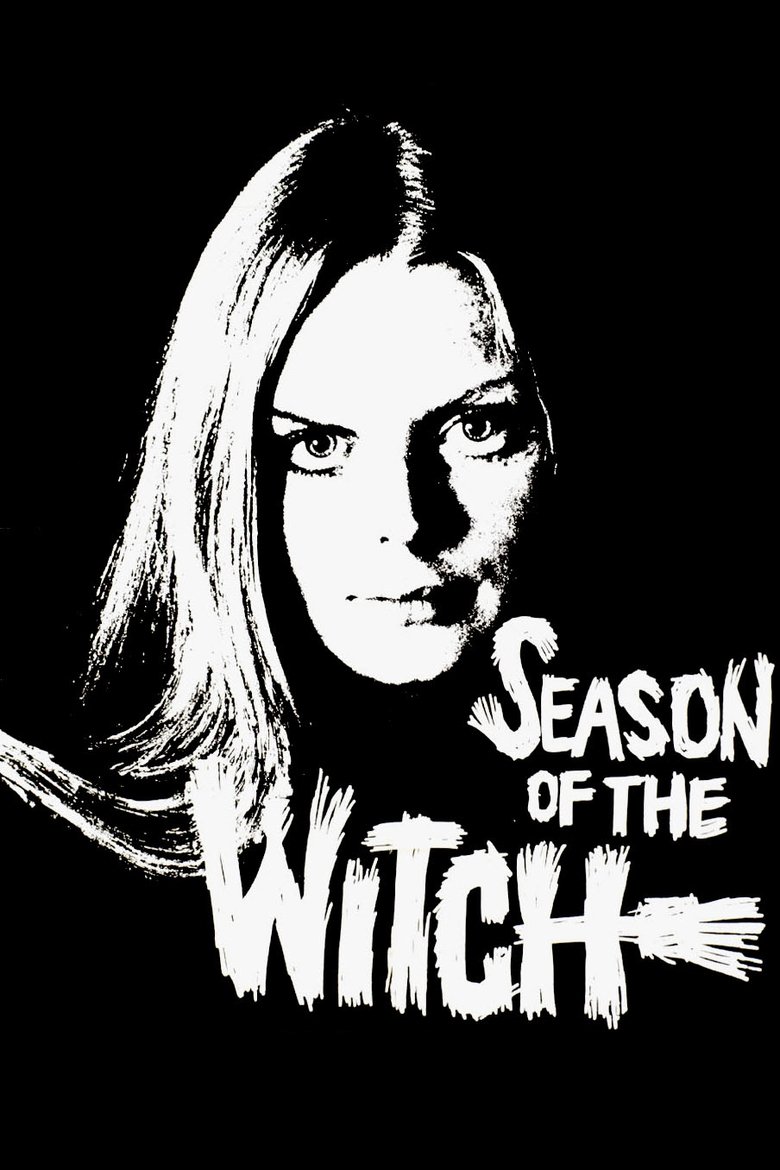
1972
RDirector
George A. Romero
Runtime
104 minutes
Average Rating
No ratings yetSynopsis
Joan Mitchell is an unhappy, middle-aged suburban housewife with an uncommunicative businessman husband and a distant 19 year old daughter on the verge of moving out of the house. Frustrated at her current situation, Joan seeks solace in witchcraft after visiting a local tarot reader and leader of a secret black arts wicca set, who inspires Joan to follow her own path. After dabbling in witchcraft and believing she has become a real witch, Joan withdraws into a fantasy world and sinks deeper and deeper into her new lifestyle until the line between fantasy and reality becomes blurred.
Overall Score
Fair
Category Breakdown
LGBTQ+ Representation
The film lacks confirmed depictions of non-heteronormative identities. While the era and director suggest potential explorations of non-traditional social bonds, no specific character data is present.
Gender Representation
The story centers on an unhappy housewife using witchcraft to gain agency. This subverts the submissive feminine archetype and challenges the stability of the patriarchal domestic sphere.
Racial & Ethnic Diversity
The suburban setting and 1972 release date suggest a demographic homogeneity typical of the era. There is no evidence of a diverse or race-bent cast.
Religious & Cultural Diversity
Witchcraft serves as a vehicle to critique the nuclear family and Western social expectations. The narrative frames the protagonist's actions as a response to systemic domestic dissatisfaction.
Disability Representation
There is no evidence within the film's context to suggest the inclusion or depiction of physical or neurodivergent disabilities.
Strengths
Areas for Improvement
AI Analysis
Hungry Wives functions as a social critique of mid-century suburban ideals. By utilizing the horror genre, the film dismantles traditional domestic hierarchies and explores the dissolution of the housewife archetype through supernatural agency. The film's strength lies in its subversion of gendered domesticity and its challenge to Western institutional norms. It uses the protagonist's descent into witchcraft to question the stability of the traditional nuclear family. However, the film lacks significant visibility regarding racial and LGBTQ+ identities. The narrative appears to reflect the demographic homogeneity common in 1970s depictions of the American middle class.
1997
1972
1984
1981
1970
1980
1988
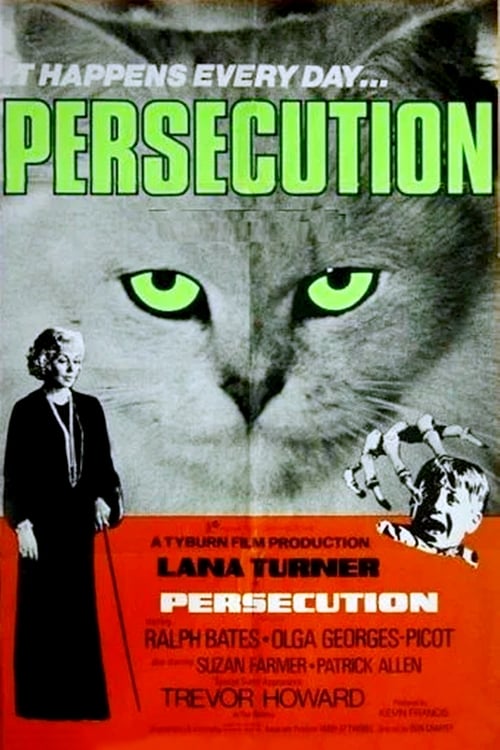
1974
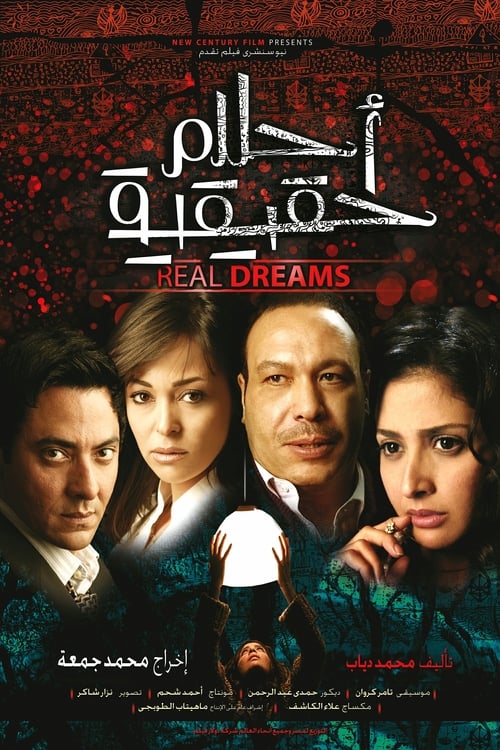
2007
No reviews yet. Be the first to share your thoughts on this movie!
Use the rating form above to leave a star rating and optional review.