P
2005
No user ratings available yet
Diversity score: 5.3 out of 10
1981
Director
Lilik Sudjio
Runtime
90 minutes
Average Rating
No ratings yetSynopsis
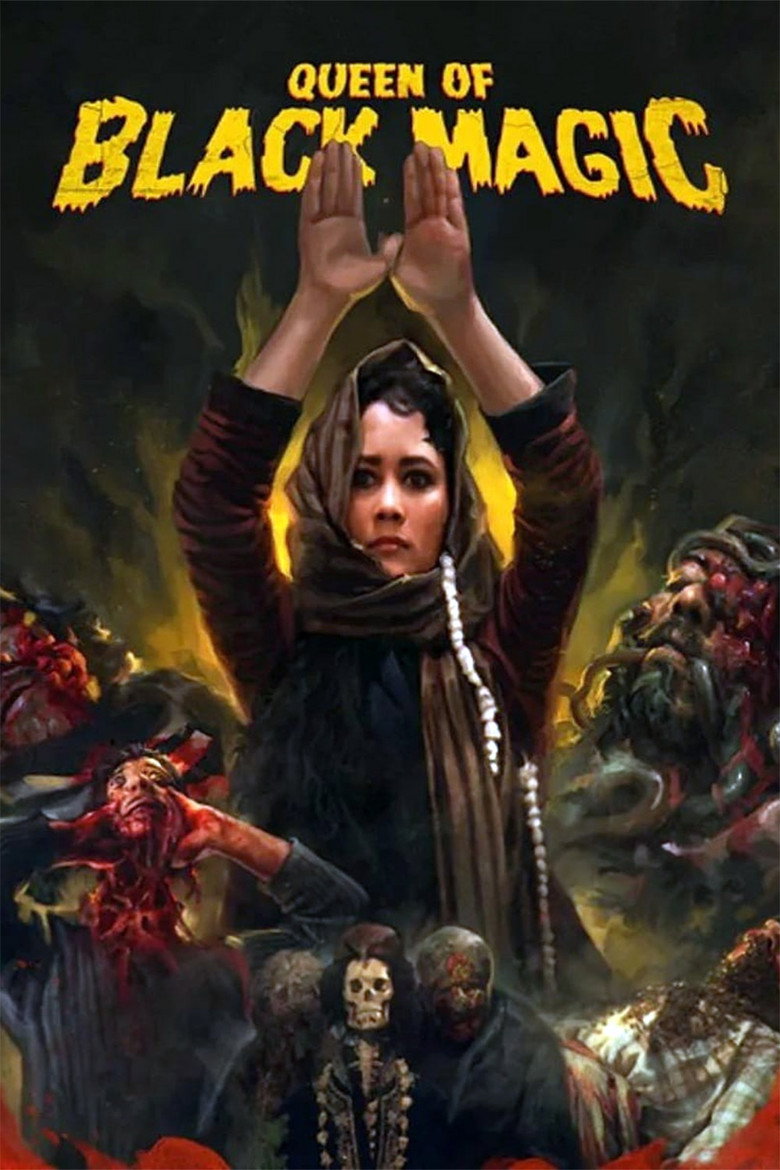
A woman is seduced by and cast aside by a fickle lover. When the lover marries another woman who starts hallucinating during their wedding, she is accused of being a witch and thrown to her death over a cliff. A strange man rescues her, nurses her back to health, and is told that she must master black magic in order to exact vengeance on her tormentors. She casts a variety of spells over the populace--with the male population as her favorite target, and becomes the queen of black magic. But who, exactly, is the man, and does he have other plans?
Overall Score
Good
Category Breakdown
LGBTQ+ Representation
The film focuses on romantic betrayal and supernatural retribution. There are no discernible non-heteronormative identities or queer narratives present.
Gender Representation
The protagonist transforms from a victim of male abandonment into a figure of immense power. She subverts traditional roles by exerting dominance over the male population.
Racial & Ethnic Diversity
The production centers on indigenous cultural aesthetics and local folklore. The cast and setting are predominantly non-Western, avoiding common international whitewashing.
Religious & Cultural Diversity
The narrative prioritizes local spiritualism and folk superstition over organized religious morality. It explores vengeance against a society that unjustly cast the protagonist out.
Disability Representation
Physical trauma serves only as a plot catalyst for the protagonist's transformation. The film does not explore disability as a primary identity or lived experience.
Strengths
Areas for Improvement
AI Analysis
The Queen of Black Magic is a striking example of how folk horror can be used to dismantle patriarchal structures. By centering a woman who transitions from social outcast to a powerful supernatural force, the film provides a rare sense of female agency within its genre. Culturally, the film excels by remaining rooted in Indonesian aesthetics and local folklore. It avoids Western-centric tropes, instead building a world governed by ancestral and occult forces rather than institutional religious authority. While the film lacks LGBTQ+ representation and does not engage with disability as a lived identity, its commitment to ethnic authenticity and gender subversion makes it a significant piece of non-Western cinema.
2005
1975
1972
2017
1974

2026
1993
No reviews yet. Be the first to share your thoughts on this movie!
Use the rating form above to leave a star rating and optional review.