
Proxy
2014
No user ratings available yet
Diversity score: 3.3 out of 10
2011
NRDirector
Zack Parker
Runtime
97 minutes
Average Rating
No ratings yetSynopsis
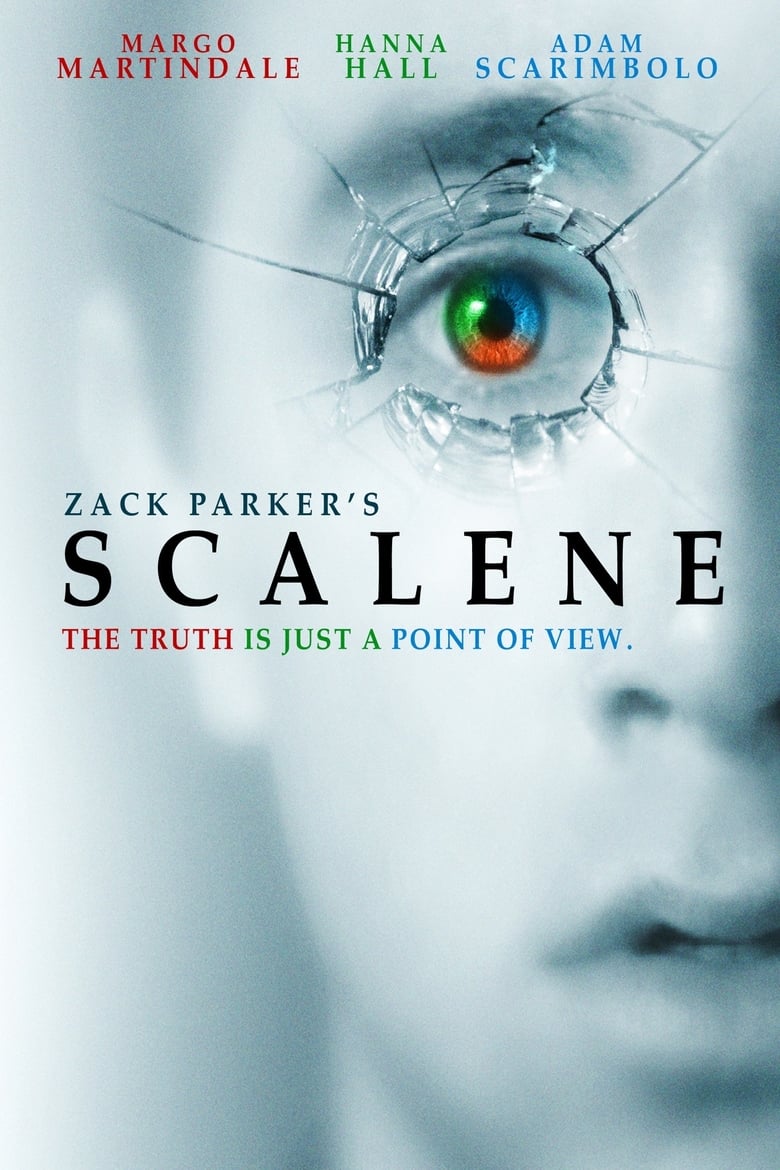
A perceptual thriller told from three points-of-view revolving around the rape of a female college student by a mentally handicapped man and his mother's subsequent revenge after his incarceration.
Overall Score
Limited
Category Breakdown
LGBTQ+ Representation
The film lacks any indication of LGBTQ+ characters or non-cisnormative identities. The narrative focus remains strictly on a specific crime and its aftermath.
Gender Representation
The story centers on a female victim and a mother seeking vengeance. While the mother transitions from a domestic role to an active agent, the plot relies on traditional victim/avenger tropes.
Racial & Ethnic Diversity
There is no information available regarding the racial or ethnic identities of the cast. The demographic makeup of the characters remains unspecified.
Religious & Cultural Diversity
The narrative explores subjective morality and the failure of legal institutions. It disrupts expectations of institutional justice through a mother's extrajudicial revenge, though it lacks broader institutional critiques.
Disability Representation
A character with a mental disability serves as the central catalyst for the plot. This risks using disability as a mere narrative device rather than a fully realized character.
Strengths
Areas for Improvement
AI Analysis
Scalene is a narrow, character-driven thriller that prioritizes themes of vengeance and systemic failure. While the film provides a degree of female agency through the mother's arc, the narrative architecture relies heavily on traditional conflict tropes. The film's approach to disability is particularly problematic, as it uses a character's mental handicap as a primary plot mechanism. This suggests a reliance on non-progressive cinematic tropes rather than nuanced representation. Ultimately, the work lacks the intersectional complexity or demographic breadth required for a more progressive score, focusing instead on a specific, gendered violence dynamic.
2014

2018

2010

1992

2023
2021
2003

2017

2011

2013

2007

2010
No reviews yet. Be the first to share your thoughts on this movie!
Use the rating form above to leave a star rating and optional review.