
Nightbird
2023
No user ratings available yet
Representation score: 5.8 out of 10
Representation Score
Fair
2010
RDirector
Michael Henry
Runtime
89 minutes
Average Rating
No ratings yetNew Showbiz Analysis
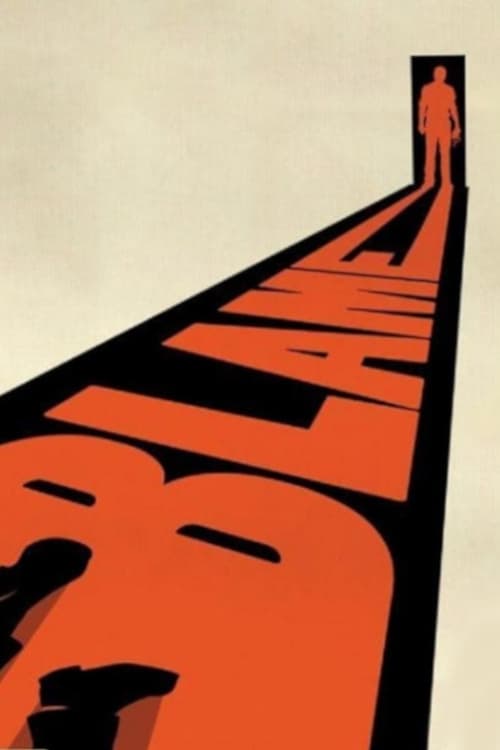
Blame is a psychological thriller that finds its strength in moral complexity rather than demographic breadth. It succeeds in subverting traditional authority figures, portraying the male instructor as a figure of moral failure and vulnerability. This shift in ability to act provides a compelling, non-traditional character study. However, the film lacks depth in representing multiple aspects of identity. The cast appears largely homogeneous, and the narrative operates within a traditional framework of heterosexual romantic betrayal. This absence of queer or diverse ethnic identities limits the film's social reach. Ultimately, the film is a study of subjective justice. It trades broad representation for a focused, localized exploration of trauma and the breakdown of social stability within a specific, isolated setting.
Category Breakdown
The film focuses on heterosexual relationships, including a teacher-student romance and romantic partnerships. There is no explicit evidence of queer narratives or non-cisgender identities.
The film challenges traditional gender hierarchies by focusing on a female-led drive for justice. Characters like Natalie play a significant role in orchestrating the confrontation's logistics.
The film appears to feature a largely homogeneous cast. There is no evidence of significant racial blending or the use of diverse ethnicities to challenge social norms.
The story challenges the sanctity of legal institutions by framing vigilantes as the primary drivers. It prioritizes subjective morality and moral relativism over established Western ethical structures.
While the plot involves themes of suicide and mental health, there is no evidence of characters with disabilities being portrayed with ability to act or as central drivers.
Present on Screen
Limited or Absent
Official Synopsis
A group of young vigilantes seeking revenge for a sexual betrayal fall far from grace. When the truth is out they find themselves on the dark side of justice.
2023

2017
2002
2017

2013
2008
2015
2014
No reviews yet. Be the first to share your thoughts on this movie!
Use the rating form above to leave a star rating and optional review.