Greater Love Hath No Man
1911
No user ratings available yet
Representation score: 1.1 out of 10
Representation Score
Minimal
1931
PassedDirector
Clarence G. Badger
Runtime
65 minutes
Average Rating
No ratings yetNew Showbiz Analysis
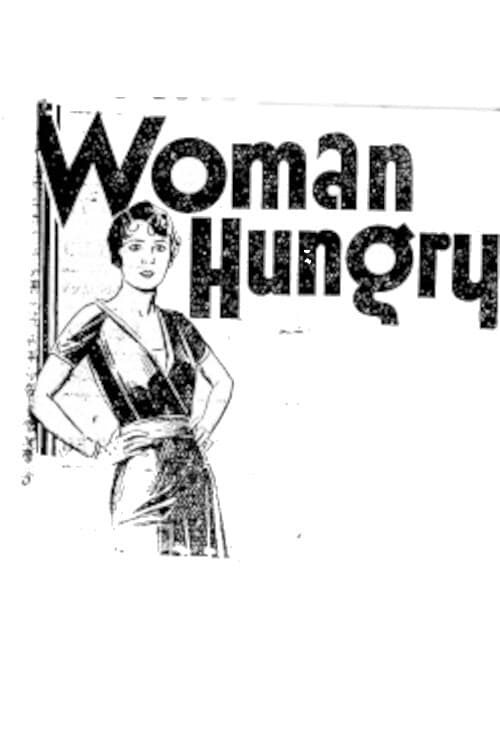
Woman Hungry is a traditional period romance that adheres strictly to the social hierarchies and demographic norms of the early 1930s. The narrative structure prioritizes conventional romantic and familial clichés, offering minimal disruption to established cultural or gendered expectations. The film's setting in Arizona does not translate into cultural breadth, as the cast remains homogeneous. While the female protagonist displays some personal ability to act, the character dynamics remain rooted in the era's standard gendered archetypes. Ultimately, the work functions as a standard studio production of its time, reinforcing existing social orders rather than challenging them through diverse representation.
Category Breakdown
The story centers on traditional romantic relationships and family structures. It does not include any non-straight or non-cisgender identities or critiques of the assumption that everyone is straight or cisgender.
Judith Temple seeks excitement in Arizona, showing she plays a significant role in driving the story. However, the film relies on conventional gender roles, such as the male physician providing care.
The story features a white, Anglo-Saxon cast including the Temple family and Dr. Cranford. It lacks diverse representation or indigenous characters with significant roles.
The film operates within traditional Western social structures. It reinforces established social orders through themes of familial departure and professional stability.
A character's broken ribs serve as a functional plot device for character interaction. The film lacks meaningful exploration of disability or neurodivergence.
Present on Screen
Limited or Absent
Official Synopsis
This film, believed lost, was based on William Vaughn Moody's 1906 play The Great Divide. The story was filmed as a silent film by MGM as The Great Divide (1925) and as an early silent/sound hybrid by First National also called The Great Divide (1929). Judith Temple has come West to Arizona for some excitement. As she says goodbye to her brother and his wife, who are returning to the East, Dr. Neil Cranford, who is in love with her, is called away to tend the broken ribs of a man injured in a barroom brawl.
1911
1928
1912
1930
1916
1932
1917
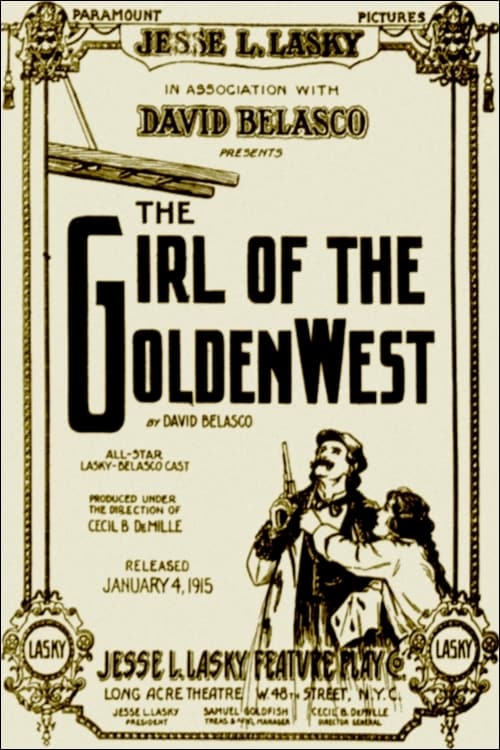
1915
No reviews yet. Be the first to share your thoughts on this movie!
Use the rating form above to leave a star rating and optional review.