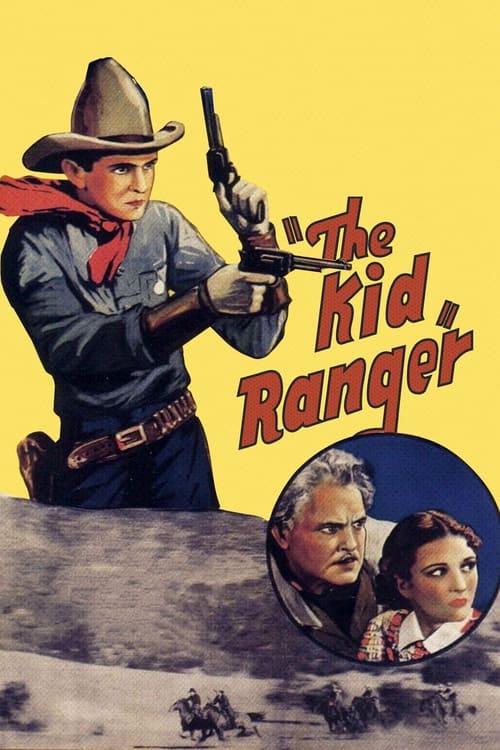
The Kid Ranger
1936
No user ratings available yet
Representation score: 1.3 out of 10
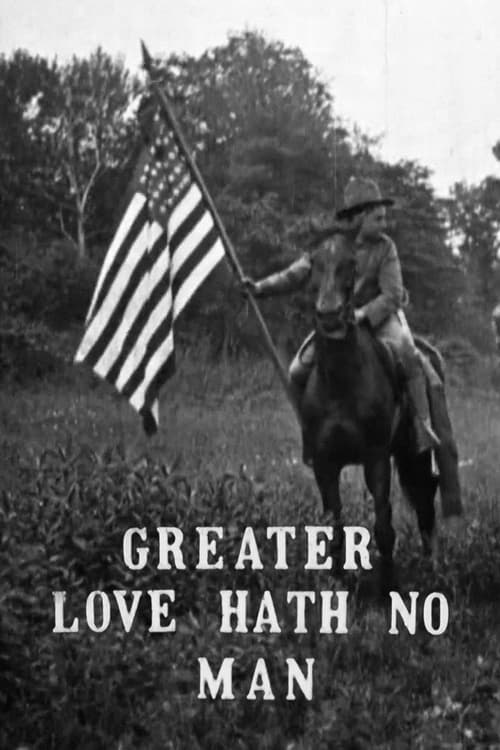
Representation Score
Minimal
1911
Director
Alice Guy-Blaché, Alexander Butler
Runtime
18 minutes
Average Rating
No ratings yetNew Showbiz Analysis
The film's diversity is defined by a sharp contrast between its production and its content. While the narrative appears to follow the conventional, homogeneous clichés of a 1911 Western romance, the presence of Alice Guy-Blaché as a director is a landmark instance of gendered power disruption in early cinema. However, the actual story content remains rooted in the era's standard frameworks. The lack of racial, LGBTQ+, or disability representation reflects the systemic exclusions of the period's filmmaking practices.
Category Breakdown
The film does not include any LGBTQ+ characters or identities that go beyond the assumption that everyone is straight or cisgender. The romance follows the standard heterosexual structures typical of 1911 cinema.
Alice Guy-Blaché’s role as director provides a significant disruption to the male-dominated hierarchies of early film. Her leadership suggests a departure from purely patriarchal perspectives.
The film likely adheres to the homogeneous casting norms of early American Westerns. There is no evidence of non-white or non-Anglo-Saxon majority casts.
Themes align with traditional romantic and dramatic ideals of the early 20th century. The narrative reinforces conventional romantic morality rather than systemic critique.
There is no documented evidence of characters with visible or invisible disabilities. No such characters are portrayed with a significant role in the story.
Present on Screen
Limited or Absent
Official Synopsis
Short film by Alice Guy about a Western love triangle.
1936
1928
1932
1919
1912
1920
1915
1896
No reviews yet. Be the first to share your thoughts on this movie!
Use the rating form above to leave a star rating and optional review.