Dark Horse
1992
No user ratings available yet
Representation score: 1.8 out of 10
Representation Score
Limited
2011
Director
Anders Øvergaard
Runtime
84 minutes
Average Rating
No ratings yetNew Showbiz Analysis
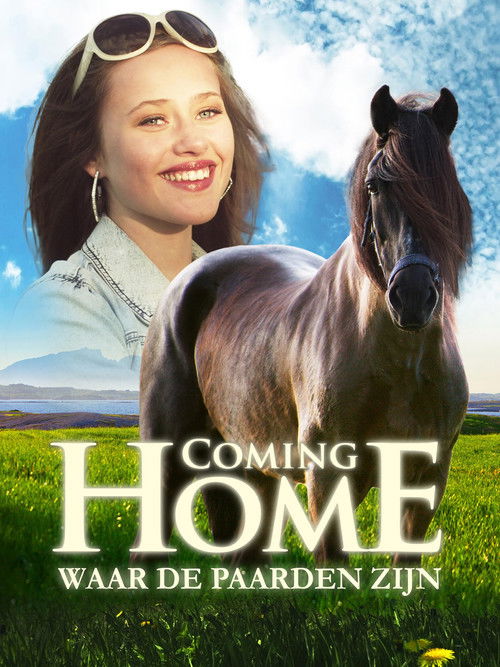
Coming Home is a character-driven family drama that emphasizes the psychological growth of its teenage protagonist over broad demographic representation. The film's strength lies in its subversion of gendered clichés, transforming Ida from a shallow, fashion-focused persona to a more grounded and empathetic individual. However, the film operates within a narrow social perspective. The setting and narrative suggest a lack of racial, ethnic, and LGBTQ+ diversity, favoring a homogeneous Scandinavian context. Ultimately, the film provides a meaningful exploration of shifting values and the dismantling of social hierarchies, even if it lacks systemic representation of underrepresented identities.
Category Breakdown
The film does not include any explicit LGBTQ+ characters or non-assuming gender matches what was assigned at birth identities. The story centers around a girl and her horse, focusing on a traditional coming-of-age journey.
Ida's journey challenges stereotypes by shifting from a focus on appearance to physical competence and ability to act. She transitions from being preoccupied with fashion and makeup to mastering equestrian skills.
Set on a farm in Northern Norway, the film reflects a historically homogeneous population. The narrative structure highlights a traditional, localized Scandinavian social environment.
The story explores the tension between urban consumerism and rural traditions. It contrasts superficial materialist pursuits with the harsh realities of farm life.
There are no visible or invisible disabilities portrayed in the narrative. No information is available to assess representation in this category.
Present on Screen
Limited or Absent
Official Synopsis
15-year-old Ida is a fashion blogger and city girl, and definitely unhappy about her mother's decision to move to a small farm in Northern Norway. Hating her new life from the first moment, she thinks the other girls are stupid to prefer horses to clothes and make-up. But a dramatic encounter with a horse called Kehilan changes everything. Suddenly Ida becomes eager to learn to ride, and then she discovers that the other girls are pretty OK. But upon discovering that Kehilan is soon to be sent to the slaughterhouse, a self-centred interest in clothes and fashion seems quite meaningless. But will Ida, against all odds, manage to save her horse?
1992
1945
2010
2018
2021
2020
2016
2011
No reviews yet. Be the first to share your thoughts on this movie!
Use the rating form above to leave a star rating and optional review.