Z: The Beginning of Everything
2015
No user ratings available yet
Representation score: 6.0 out of 10
Representation Score
Fair
2020
Director
Bruce Reisman
Runtime
104 minutes
Average Rating
No ratings yetNew Showbiz Analysis
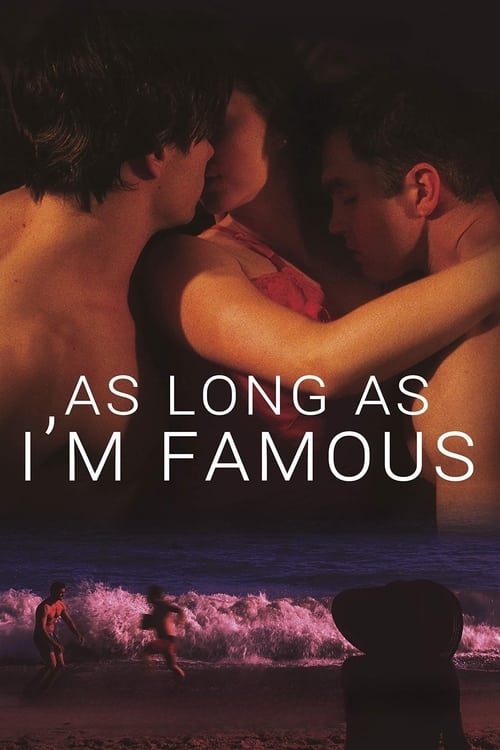
As Long As I'm Famous serves as a historical reconstruction that complicates the traditional, sanitized myths of the Golden Age. By focusing on the private lives and forbidden romances of mid-century icons, the film offers a more layered perspective on identity and social constraints. The production succeeds in humanizing historical figures through their struggles with public persona and private truth. However, the film remains tied to the demographic realities of 1948, which limits its representation of racial and ethnic diversity. Ultimately, the film functions as a nuanced drama that uses a specific historical window to explore the tension between societal expectations and personal authenticity.
Category Breakdown
The film delves into the secret, forbidden romances of mid-century stars like Montgomery Clift. This approach challenges sanitized historical accounts by highlighting the complexities of queer life during a restrictive time.
Set in 1948, the story explores how characters navigate or challenge traditional gender roles. The focus on forbidden elements suggests a departure from typical Golden Age romantic clichés.
The narrative centers on the predominantly white Broadway and Hollywood of the late 1940s. It reflects the demographic realities of the era without clear evidence of broader racial inclusion.
By emphasizing private truths over polished public personas, the film critiques rigid social norms. It presents a nuanced view of historical Western institutions rather than an idealized version.
There is no specific indication of how visible or invisible disabilities are portrayed in the story.
Present on Screen
Limited or Absent
Official Synopsis
Writer/Director Bruce Reisman pays homage to the Golden Age of Broadway during the summer of 1948. Inspired by true events, this is the story of private, often forbidden romances of legends from Montgomery Clift to Richard Rodgers, told through the perspective of 24-year-old Sidney Lumet. This special director’s cut adds 12 minutes of previously-unseen footage.
2015

1954
2003
1936
1939
1982
2019
2017
No reviews yet. Be the first to share your thoughts on this movie!
Use the rating form above to leave a star rating and optional review.