
Cazador De Asesinos
1983
No user ratings available yet
Diversity score: 2.7 out of 10
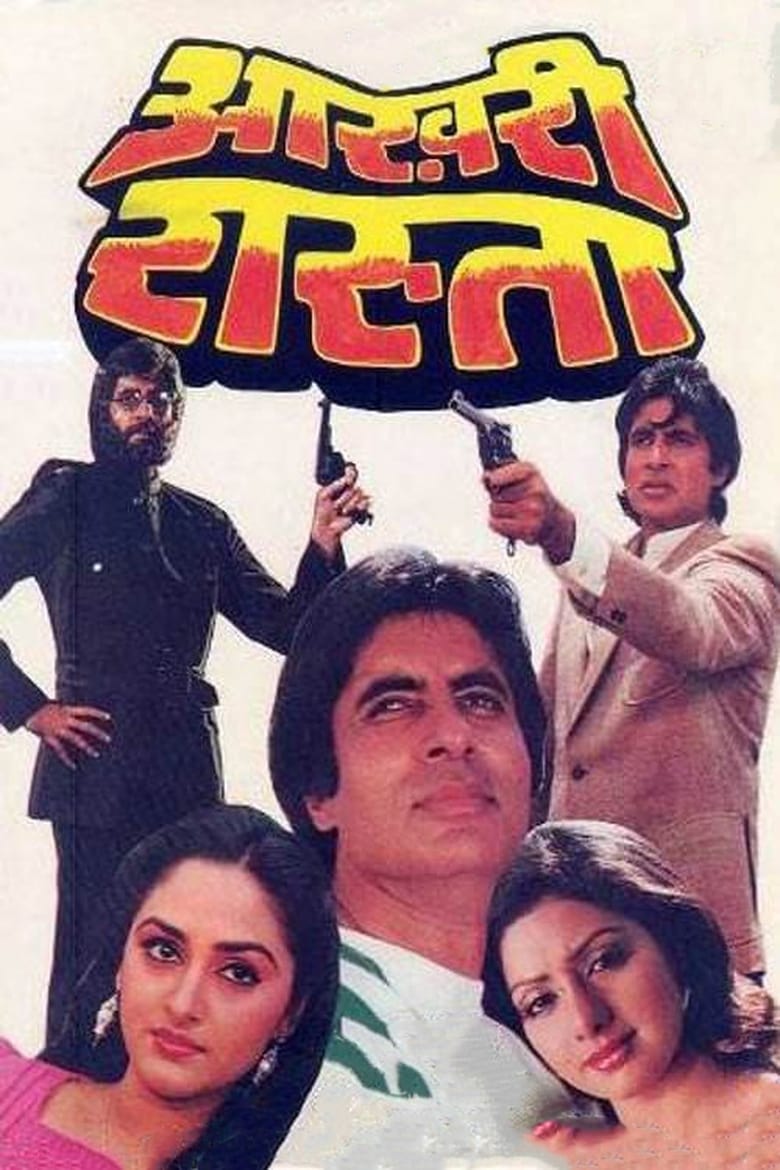
1986
Director
K. Bhagyaraj
Runtime
164 minutes
Average Rating
No ratings yetSynopsis
David is an old prisoner, released after twenty-four years in a penitentiary for a crime he hasn't committed. The three men who framed him and sent him away, are now prominent citizens of his town. David walks out of the prison straight into a confessional booth at his church. He tells the priest that he is about to kill three prominent men, for which he seeks God's pardon in advance. He must find his old friend, bootlegger and the custodian of David's only son. David had believed in his friend to bring up his son as the worst criminal and seek revenge from the men who put him away. On meeting him, David finds that his son is a Cop instead. Devastated, David continues on his own. When he is about to kill the three men, his son has vowed to protect the citizens under any circumstances. David and his son are at war..who will prevail?
Overall Score
Limited
Category Breakdown
LGBTQ+ Representation
The film relies on traditional heteronormative structures. There is no presence of non-cisnormative identities or same-sex intimacy.
Gender Representation
Masculine archetypes drive the plot through themes of vengeance and authority. Women lack agency, remaining largely confined to the domestic sphere.
Racial & Ethnic Diversity
The cast reflects a culturally homogeneous Indian demographic. It avoids Western-centric casting or the blending of disparate ethnic groups.
Religious & Cultural Diversity
The story emphasizes religious morality and spiritual absolution. It reinforces conservative values regarding family honor and patriarchal lineage.
Disability Representation
There is no discernible representation of physical, sensory, or neurodivergent disabilities. Characters are defined by social roles rather than disability.
Strengths
Areas for Improvement
AI Analysis
Aakhree Raasta is a quintessential 1980s action-drama that prioritizes archetypal heroics over social subversion. The narrative is built upon a foundation of patriarchal agency, focusing on the conflict between a wronged father and his dutiful son. The film reinforces traditional social structures, utilizing religious institutions and vigilante justice to drive its moral framework. It functions as a standard commercial product of its era, emphasizing masculine authority and conventional family bonds. Because the story adheres strictly to these established hierarchies, it lacks intersectional depth or the inclusion of marginalized identities.
No reviews yet. Be the first to share your thoughts on this movie!
Use the rating form above to leave a star rating and optional review.