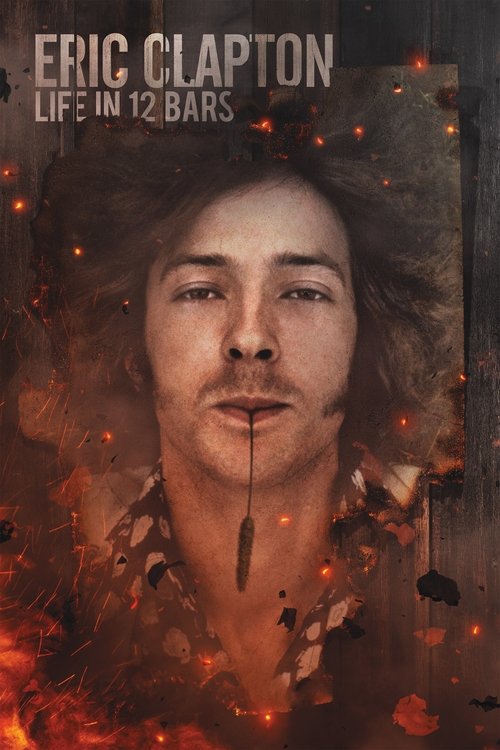
Eric Clapton: Life in 12 Bars
2018
No user ratings available yet
Representation score: 3.6 out of 10
Representation Score
Limited
2017
Director
John Edginton
Runtime
90 minutes
Average Rating
No ratings yetNew Showbiz Analysis
This biographical documentary prioritizes musical history and individual legacy over contemporary discussions of identity. It functions as a celebratory retrospective of a singular icon rather than a vehicle for sociopolitical critique. The narrative follows a traditional trajectory of personal struggle and professional triumph. It remains a faithful, era-specific chronicle of Cocker's life, focusing on his artistic evolution and recovery. While the film lacks engagement with progressive identity politics, it provides a direct look at the personal toll of fame and the realities of the mid-to-late 20th-century music industry.
Category Breakdown
The film focuses on Cocker's marriage to Pam Cocker, which is centered around the assumption that everyone is straight or cisgender. There is no presence of LGBTQ+ identities or narratives that engage with queer experiences.
The narrative centers on the male archetype of the rock vocalist. While female collaborators and his spouse appear, they primarily serve as witnesses within a traditional framework.
The documentary highlights Cocker’s interpretation of soul and blues, genres rooted in Black American traditions. However, it does not delve into the racial dynamics or the overlapping aspects of identity related to systemic issues.
The film portrays Cocker’s working-class origins and rise as a standard narrative of perseverance. It does not actively critique Western institutions like capitalism or the nuclear family structure.
Addiction and personal struggles are treated as hurdles within a classic redemption arc. The film avoids portraying disability as inspirational but does not center it as a primary identity.
Present on Screen
Limited or Absent
Official Synopsis
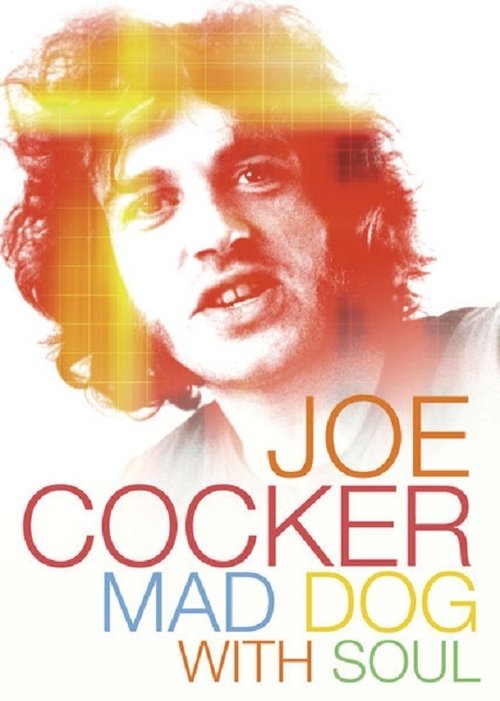
The turbulent life of soul and blues singer, the late Joe Cocker. A former gas fitter from Sheffield, catapulted to world stardom in 1969 at Woodstock with his legendary performance of the Beatles song, "A Little Help from My Friends". But in the early 1970s, Joe Cocker's inner demons nearly killed him. Overcoming his struggles with alcohol and drugs, he rebuilt his reputation as "one of the great primal rock and roll vocalists of all time" (Billy Joel's description). The film mixes Joe Cocker's own words, with rare archive. His wife (Pam Cocker) & family, friends and the legendary songwriters and musicians he collaborated with, tell Joe Cocker's story. The film has raw, historic, electric performance footage throughout. Extensive interviews of key people through his life include: Pam Cocker, Ben Fong-Torres (Rolling Stone magazine editor), Randy Newman, Jimmy Webb, Billy Joel, Rita Coolidge, Deric Dyer, Glyn Johns, and numerous others.
2018
2018
2004
2021

2016
2011

2015
2005
No reviews yet. Be the first to share your thoughts on this movie!
Use the rating form above to leave a star rating and optional review.