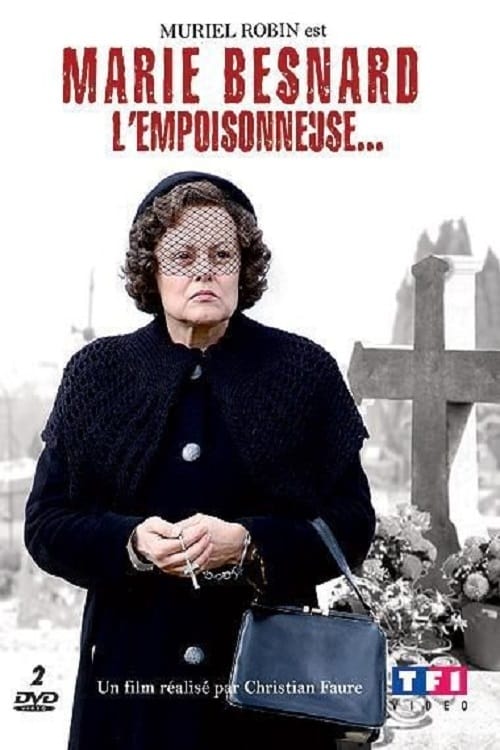
The Poisoner
2006
No user ratings available yet
Representation score: 1.4 out of 10
Representation Score
Limited
2020
ApprovedRuntime
72 minutes
Average Rating
No ratings yetNew Showbiz Analysis
The film explores historical injustice through a period-specific lens, focusing on the interplay between gender and judicial power. By highlighting Elizabeth Reed's conviction by an all-male jury, the narrative challenges the established domestic and legal hierarchies of mid-19th-century Illinois. While the work provides a strong critique of patriarchal institutions and systemic failures, it lacks broader demographic diversity. The story appears to be centered around a specific historical context without visible racial or LGBTQ+ diversity. Ultimately, the film's strength lies in its thematic focus on gendered injustice and the disruption of established power structures through folklore and historical debate.
Category Breakdown
The film does not include any LGBTQ+ characters or non-cisgender identities. The main storyline revolves around a traditional heterosexual marriage.
The story focuses on a woman navigating a legal system controlled by an all-male jury. This highlights the critique of patriarchal judicial structures and emphasizes the woman's role in driving the narrative within a historical context.
The narrative seems to concentrate on a specific Anglo-American historical event in 1845 Illinois. There is no indication of a non-white majority cast or diverse ethnic representation.
The film critiques the infallibility of 19th-century Western legal institutions. It incorporates folklore and the concept of a wandering spirit to explore subjective morality over rigid institutional certainty.
There is no information about the portrayal of physical disabilities, neurodivergence, or mental health conditions within the characters or plot.
Present on Screen
Limited or Absent
Official Synopsis
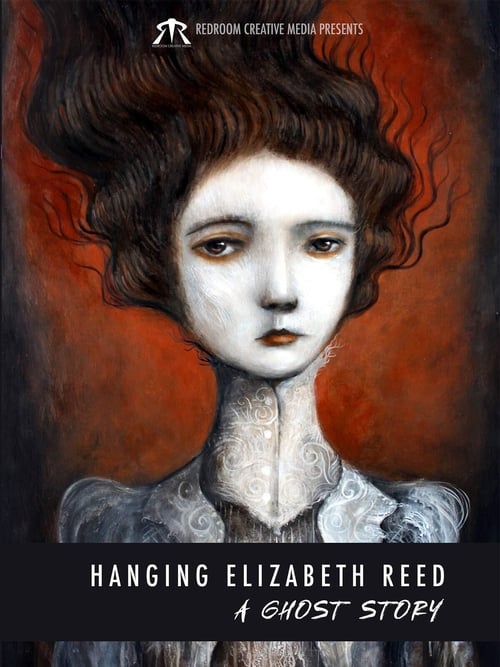
This is the story of Elizabeth Reed who in 1845 became the first woman to be hanged in Illinois. She was accused of poisoning her husband Leonard with arsenic laced tea and was convicted by a jury of 12 men. The circumstances of her arrest, trial, conviction, execution, burial, and afterlife have been debated ever since. Folklore exists today that suggests her spirit wanders the countryside.
2006
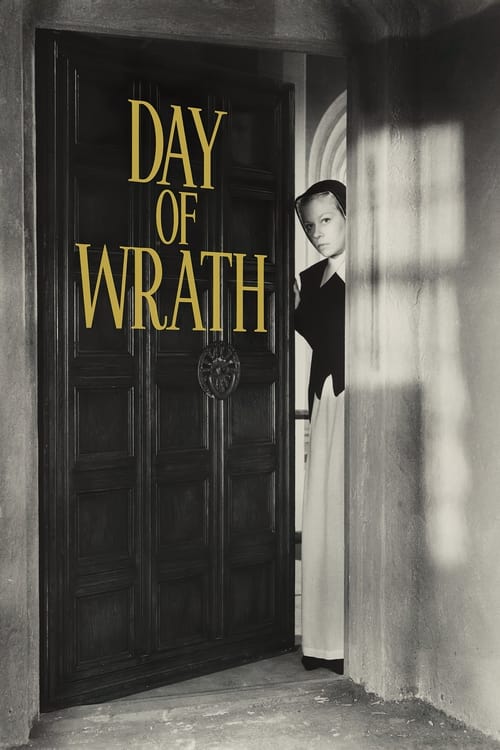
1943
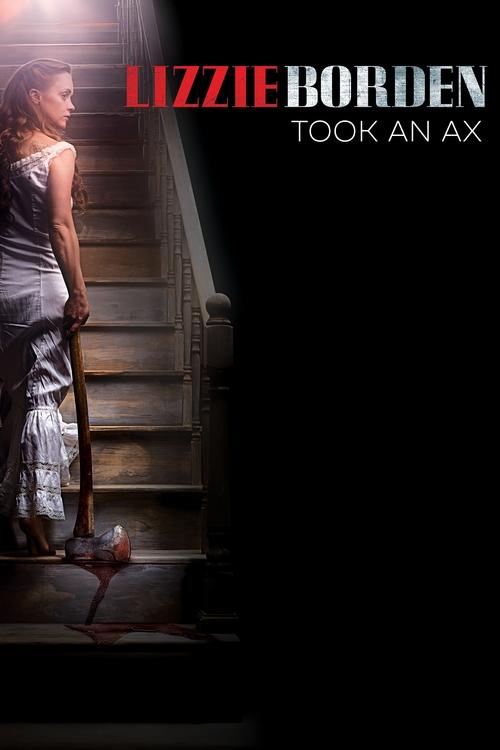
2014

1989
2009

1988

1975
2020
No reviews yet. Be the first to share your thoughts on this movie!
Use the rating form above to leave a star rating and optional review.