
Ennio
2022
No user ratings available yet
Diversity score: 2.8 out of 10
1969
Director
Gérard Patris, François Reichenbach
Runtime
89 minutes
Average Rating
No ratings yetSynopsis
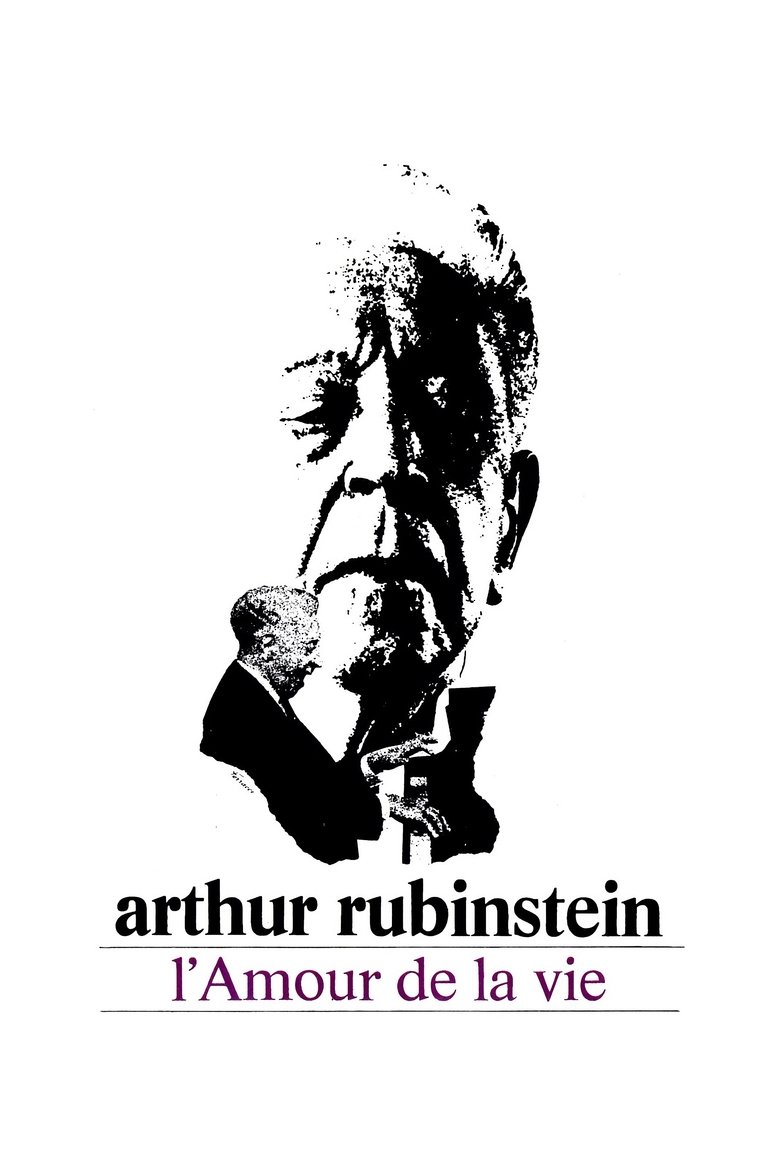
Documentary about Polish-American pianist, Arthur Rubinstein.
Overall Score
Limited
Category Breakdown
LGBTQ+ Representation
The film functions as a biographical study of a singular male figure. There are no LGBTQ+ characters or narratives addressing non-cisnormative identities present.
Gender Representation
The narrative is centered on a male protagonist, reflecting mid-20th-century classical music norms. It lacks female agency or the subversion of traditional gender hierarchies.
Racial & Ethnic Diversity
The focus remains on Arthur Rubinstein's Polish-American heritage. However, the film lacks a diverse cast, reflecting the socio-cultural homogeneity of the classical music elite.
Religious & Cultural Diversity
The documentary celebrates Western musical heritage and high art. It operates within a framework of traditional professional achievement rather than offering cultural critiques.
Disability Representation
There is no evidence of characters with disabilities being portrayed with agency. The film focuses on the dexterity required for piano performance without addressing disability.
Strengths
Areas for Improvement
AI Analysis
This documentary serves as a traditional portrait of a singular artist, prioritizing observational authenticity over social commentary. It adheres to the biographical standards of its era, focusing on the professional and personal vitality of Arthur Rubinstein. The film lacks intentional engagement with intersectional identities or progressive social frameworks. Its narrative structure is built around a singular, high-status male subject within a homogeneous professional environment. While the film offers depth regarding the artist's psyche, it does not seek to disrupt conventional social hierarchies or represent diverse perspectives.
2022
1969

2015

2019
No reviews yet. Be the first to share your thoughts on this movie!
Use the rating form above to leave a star rating and optional review.