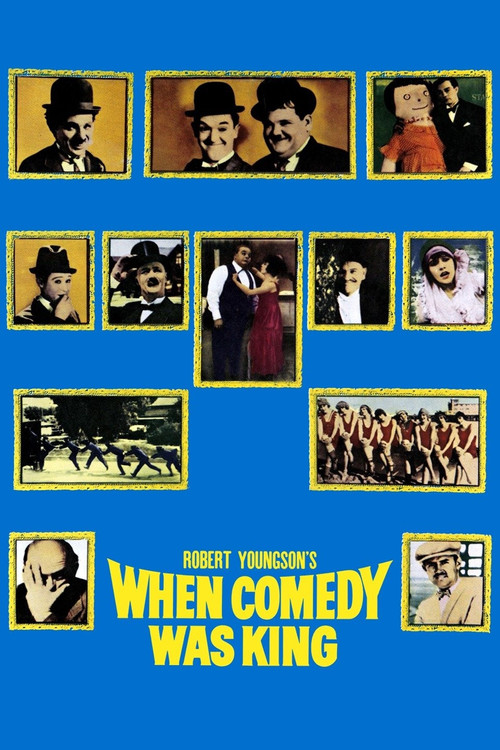
When Comedy Was King
1960
No user ratings available yet
Representation score: 2.3 out of 10
Representation Score
Limited
1970
GDirector
Robert Youngson
Runtime
97 minutes
Average Rating
No ratings yetNew Showbiz Analysis
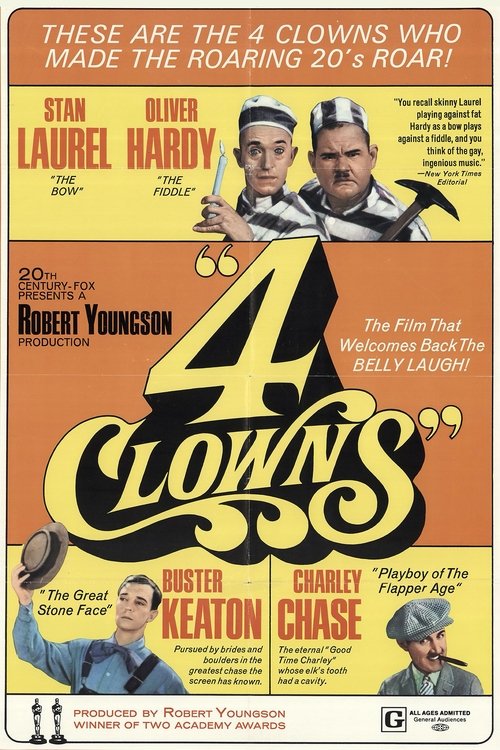
4 Clowns serves as a nostalgic look back at silent film comedy rather than a modern narrative. As an archival compilation of early 20th-century performances, it inherently lacks the layered representation found in contemporary cinema. The film reflects the historical limitations of the Hollywood studio system, featuring a cast that is largely homogeneous and centered on traditional comedic clichés. While it preserves important cinematic history, it does not engage with progressive social frameworks. Ultimately, the work functions as a window into a specific era of entertainment. It prioritizes the preservation of slapstick legends like Laurel, Hardy, and Keaton over any attempt at social or systemic critique.
Category Breakdown
The film includes no depictions of non-binary gender identities or same-sex relationships in its archival footage.
Female characters, such as a professor in the Charley Chase segment, mainly serve as comedic obstacles. The humor depends on traditional gender roles and the physical dominance of male characters.
The compilation features a predominantly white cast from the silent era. The footage lacks significant racial or ethnic diversity, reflecting the historical homogeneity of the period.
The film highlights Western vaudeville and silent slapstick traditions. It operates within traditional capitalist structures, such as Keaton's pursuit of an inheritance, without challenging these norms.
Physical comedy involves characters experiencing bodily mishaps and falls. These are slapstick devices rather than nuanced depictions of disability, avoiding framing struggle as moral elevation.
Present on Screen
Limited or Absent
Official Synopsis
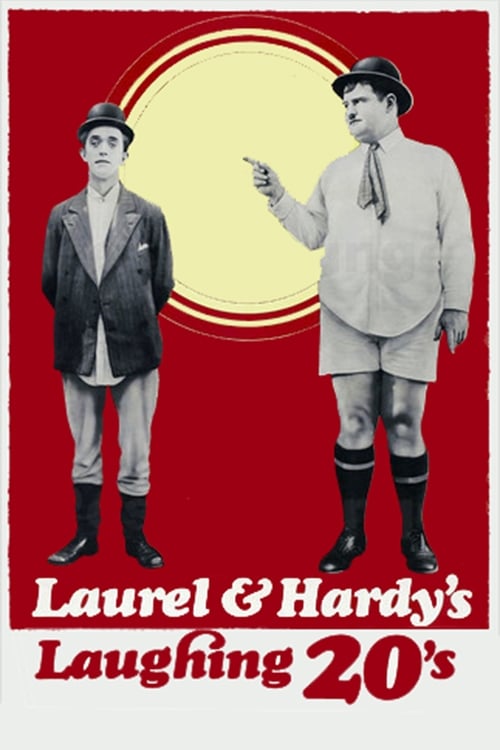
Robert Youngson once again compiles scenes from the golden age of comedy's silent film era. Laurel and Hardy are shown battling a gum machine, and Hardy is a debaucherous Romeo whose amorous plans are thwarted by Rex, the Wonder Horse. Charley Chase is hampered by hiccups and a female professor, and he fleeces a drunken Oliver Hardy with a mannequin in a nightclub. The third part finds bachelor Buster Keaton desperately trying to get married by 7:00 PM in order to collect a $7-million-dollar inheritance. Keaton is pursued by money-hungry prospects in one of the best chase scenes ever filmed. Narration is provided by Jay Jackson.
1960
1957
1963
1965
1941
1953
1962
1964
No reviews yet. Be the first to share your thoughts on this movie!
Use the rating form above to leave a star rating and optional review.