Mom
2017
No user ratings available yet
Representation score: 5.4 out of 10
Representation Score
Fair
2017
TV-MADirector
Kaouther Ben Hania
Runtime
100 minutes
Average Rating
No ratings yetNew Showbiz Analysis
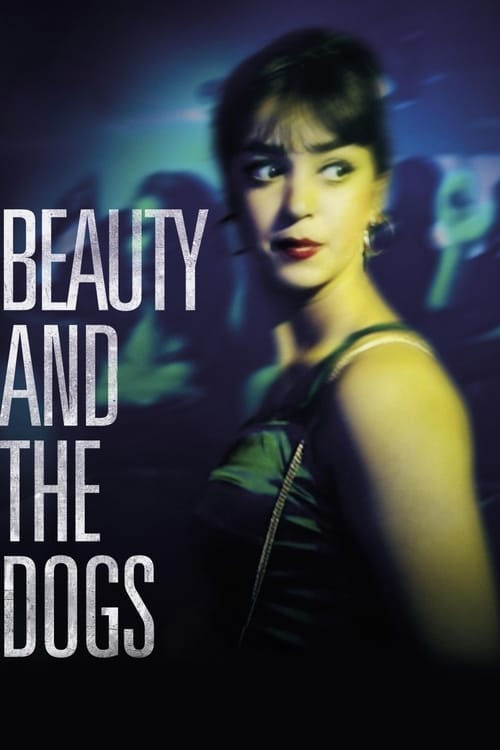
Beauty and the Dogs is a visceral critique of institutional corruption and gendered vulnerability. By centering on a Tunisian woman's fight for justice after a traumatic assault, the film dismantles traditional power structures and explores the fragility of individual ability to act. The film excels in its cultural and gendered depth, utilizing a North African lens to challenge the perceived stability of state authority. It avoids Western-centric clichés, instead offering a sophisticated look at how post-colonial legal frameworks can perpetuate exclusion. While the film is a powerful study of systemic oppression, it lacks representation for LGBTQ+ identities and specific disabilities.
Category Breakdown
The film does not include any LGBTQ+ characters or explore non-straight identities. The story focuses solely on the protagonist's struggle against gendered violence.
Mariam's struggle challenges traditional gender hierarchies by centering a woman's fight against a male-dominated police and judicial system. The film highlights female vulnerability within patriarchal structures while rejecting passivity.
Set in Tunisia, the film offers an authentic North African perspective that avoids Anglo-centric lenses. It uses local social dynamics to show how identity influences interactions with the law.
The story critiques Western-style institutional models and the failure of post-colonial systems to provide justice. It portrays state institutions as engines of oppression rather than protectors of order.
There are no specific depictions of physical disabilities or neurodivergence used as central character traits. The film focuses instead on the psychological trauma of systemic violence.
Present on Screen
Limited or Absent
Official Synopsis
When Mariam, a young Tunisian woman, is raped by police officers after leaving a party, she is propelled into a harrowing night in which she must fight for her rights even though justice lies on the side of her tormentors.
2017
2019
2000
2009
2000
2011
2019
2016
No reviews yet. Be the first to share your thoughts on this movie!
Use the rating form above to leave a star rating and optional review.