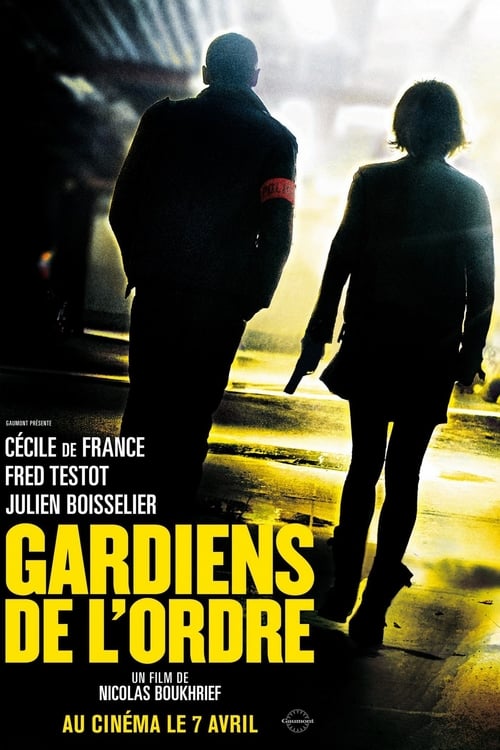
Off Limits
2010
No user ratings available yet
Representation score: 5.6 out of 10
Representation Score
Good
2011
Director
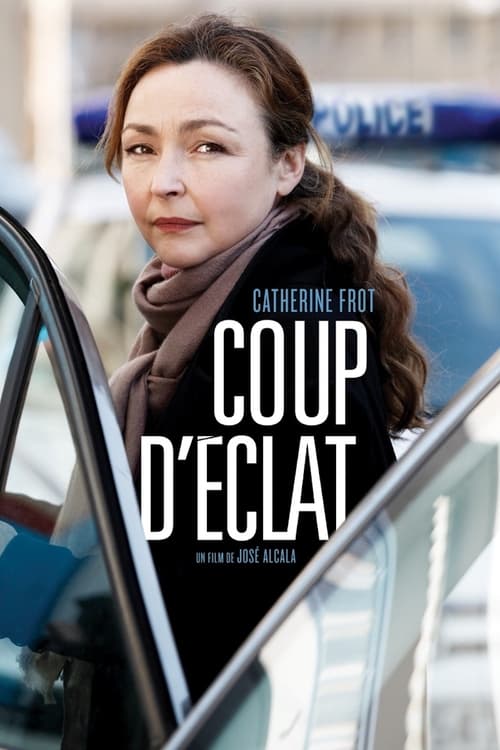
José Alcala
Runtime
92 minutes
Average Rating
No ratings yetNew Showbiz Analysis
Coup d'éclat subverts the typical crime thriller by focusing on the moral erosion of a female officer. The film moves away from traditional law-and-order clichés to explore the tension between state authority and migrant vulnerability. The narrative succeeds in centering non-Western perspectives through the character of Olga. This shift highlights the systemic pressures faced by undocumented populations and challenges the perceived righteousness of Western legal frameworks. While the film excels in cultural critique and empowering a female lead, it lacks specific representation of LGBTQ+ identities or disability issues.
Category Breakdown
The film doesn't explicitly confirm any queer identities or romantic pairings. However, its focus on underrepresented figures suggests a framework that could accommodate non-traditional social structures.
The story centers on a female police officer in a position of institutional power. It avoids traditional domestic roles, focusing instead on her intellectual and moral strength within a high-stakes professional environment.
The narrative gives a significant role in driving the story to a Kazakh national, Olga. By centering the plight of an undocumented migrant, the film shifts away from a purely Western-centric viewpoint.
The film critiques Western institutions by portraying the state as a source of dehumanization. It prioritizes individual ethics and humanistic values over strict legalistic or patriotic adherence.
There is no discernible evidence regarding the portrayal of physical or neurodivergent disabilities within the narrative.
Present on Screen
Limited or Absent
Official Synopsis
Fabienne is a police officer. She does her job well but is gradually growing tired of the dehumanized nature of her work : arresting undocumented aliens day after day does not fit in with her ideals. That's why when, one night, Olga, the Kazakh prostitute she apprehends, begs her to free her not to leave her four-year-old son alone, she hesitates... And why, after Olga has run away and is found dead, Fabienne decides to deal with this matter personally...
2010

2008

2017

2005

2012

2002

2015

2019
No reviews yet. Be the first to share your thoughts on this movie!
Use the rating form above to leave a star rating and optional review.