Sembene!
2015
No user ratings available yet
Representation score: 6.3 out of 10
Representation Score
Fair
1993
Director
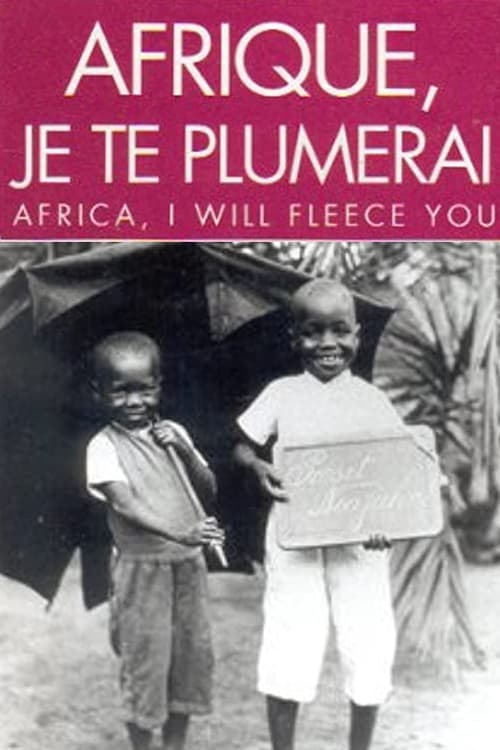
Jean-Marie Téno
Runtime
88 minutes
Average Rating
No ratings yetNew Showbiz Analysis
Jean-Marie Téno’s documentary is a powerful deconstruction of the colonial gaze, centering African subjectivity against Western historical whitewashing. It excels at reclaiming indigenous history and highlighting the ability to act of local political movements. However, the film's focus is strictly socio-political and historical. Because it prioritizes the critique of imperialist structures and class dynamics, it lacks representation for LGBTQ+ identities or disability-specific narratives. Ultimately, the film is a progressive tool for systemic critique. It succeeds in challenging global power dynamics, even while its narrow thematic scope leaves certain identity-based representations unaddressed.
Category Breakdown
The film does not explore sexual orientation or include LGBTQ+ characters. It focuses on historical and political themes rather than LGBTQ+ issues.
The film highlights the intersection of race and class, focusing on how colonial structures affected indigenous societies. It does not center on individual female protagonists or specific gender-based power struggles.
This work centers underrepresented voices by prioritizing Cameroonian perspectives and the ability to act of African political movements. It disrupts the Western monopoly on history by emphasizing indigenous viewpoints.
The documentary critiques Western hegemony and missionary influence, prioritizing the reclamation of indigenous history over preserving Western historical narratives.
The film does not address disability or neurodivergence as central themes within its historical and political scope.
Present on Screen
Limited or Absent
Official Synopsis
This documentary of repressive political realities in Cameroon begins with the 1990 publication of an open letter to President Biya calling for a national conference - and the immediate arrest of the letter's author and publisher. The narration then examines the nation's colonial history, beginning with the first German missionary in 1901, the establishment of schools, French occupation following World War I, the paucity of books written by and published by Cameroonians, and the repression of the CPU, a leftist organization of the 1950s and 1960s. Cameroon and its people are the lark, its feathers plucked first by colonialism and then by native strongmen: 'Alouette, je te plumerai.'
2015
1966
2011
2014
1970
1995
1983

2009
No reviews yet. Be the first to share your thoughts on this movie!
Use the rating form above to leave a star rating and optional review.