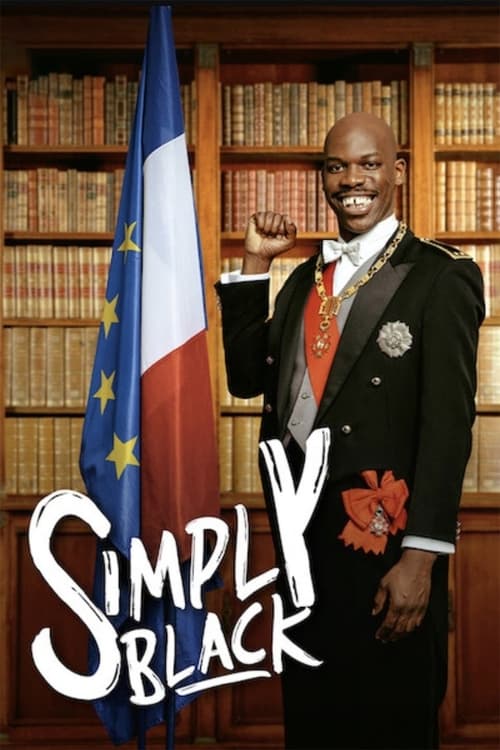
Simply Black
2020
No user ratings available yet
Diversity score: 7.8 out of 10
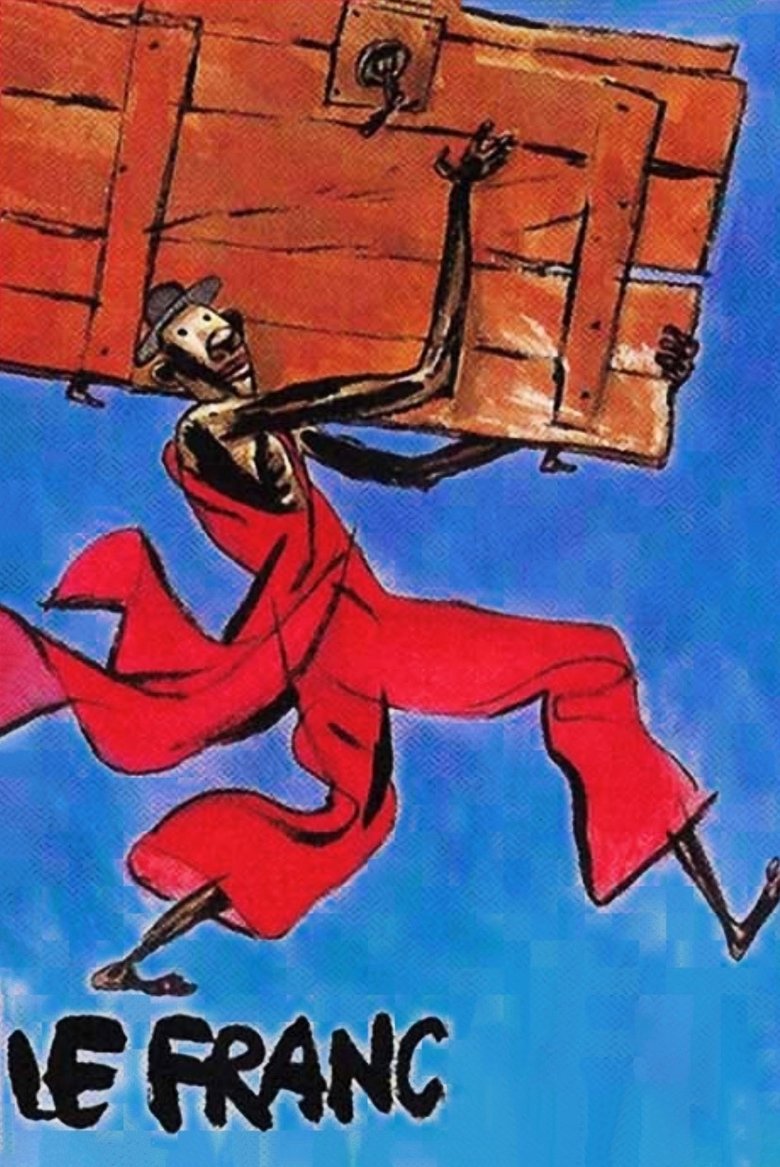
1995
Director
Djibril Diop Mambéty
Runtime
46 minutes
Average Rating
No ratings yetSynopsis
A penniless, fast-thinking musician buys a lottery ticket which he glues to his back door, in hopes of eventually retrieving his instrument from his exasperating landlady. —but the ticket wins...
Overall Score
Good
Category Breakdown
LGBTQ+ Representation
The film does not explicitly center non-cisnormative identities or same-sex intimacy. While it focuses on broader social dynamics, the absence of specific LGBTQ+ character arcs prevents a higher score.
Gender Representation
The film presents a complex social landscape where traditional roles are in flux due to post-colonial transition. It avoids reinforcing rigid, submissive femininity without overtly centering on the subversion of gender hierarchies.
Racial & Ethnic Diversity
The film excels in reclaiming the African narrative through an almost entirely Black cast and crew. By centering Senegalese subjects, it effectively disrupts the traditional Western-centric gaze.
Religious & Cultural Diversity
The narrative offers a profound critique of Western cultural hegemony and colonial influence. It explores the tension between indigenous traditions and imported Western values, favoring a localized understanding of identity.
Disability Representation
There are no prominent depictions of visible or invisible disabilities that serve as central plot drivers or character arcs.
Strengths
Areas for Improvement
AI Analysis
Djibril Diop Mambéty’s work is a vital piece of intersectional storytelling that challenges conventional cinematic expectations. The film uses a fragmented, non-linear style to mirror the complexities of a society navigating the aftermath of colonial influence. The strength of the film lies in its ability to center African agency and critique the imposition of Western social structures. It successfully reclaims cultural identity by treating the local Senegalese setting as a primary agent of identity rather than a mere backdrop. While the film excels in racial and cultural representation, it lacks specific focus on LGBTQ+ identities or disability representation. However, it avoids derogatory tropes, maintaining a sophisticated exploration of post-independence life.
2020
2022
2000
2005
2020
2000

2005

2019

2004
2016

2014
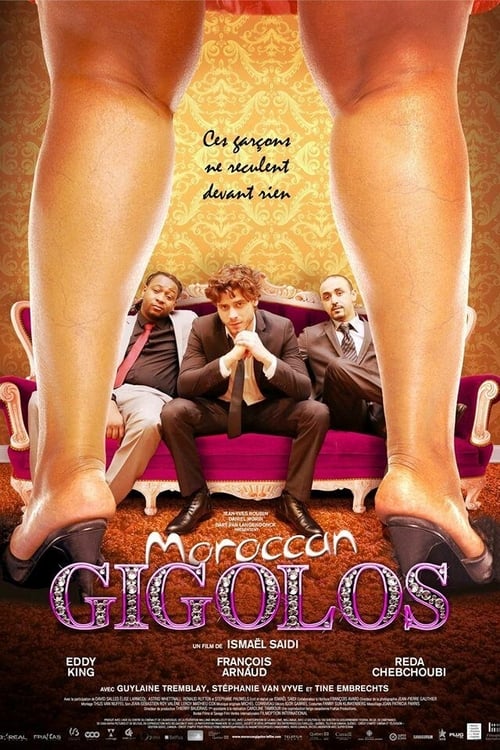
2013
No reviews yet. Be the first to share your thoughts on this movie!
Use the rating form above to leave a star rating and optional review.