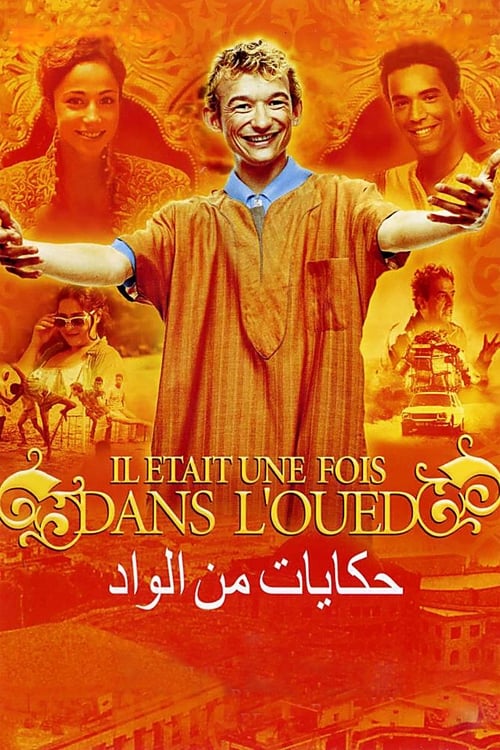
Once Upon a Time in the Oued
2005
No user ratings available yet
Diversity score: 6.9 out of 10
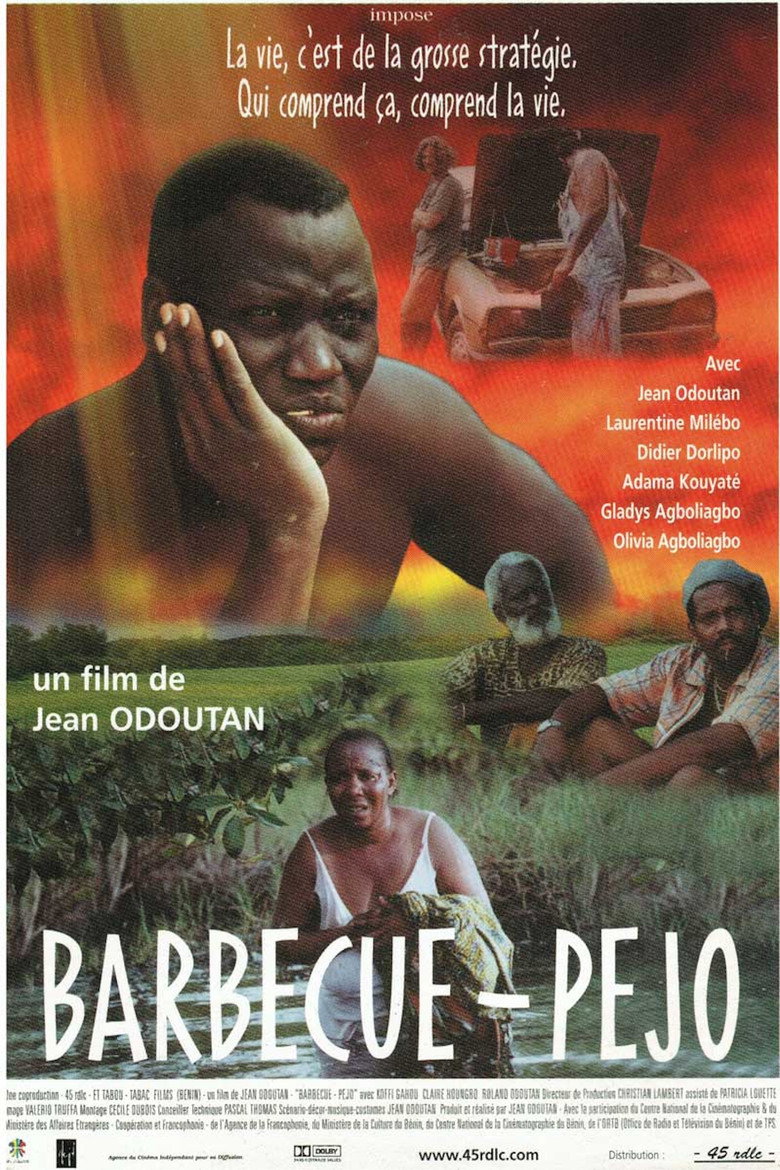
2000
Director
Jean Odoutan
Runtime
86 minutes
Average Rating
No ratings yetSynopsis
A young peasant, Boubacar, owner of a corn field, wants to break free of his wretched existence and has an idea for a new job. He sells his field and uses the money to buy a broken-down old Peugeot 504 from an European couple. Boubacar wants to try his hand at being a bush taxi driver. But very soon, he sees that his dream cannot become reality : the engine of the old jalopy dies on him. Boubacar is ruined. His wife is forced into prostitution in the corn fields to meet the family's needs. But Boubacar is a resourceful, philosophical man. He strips the car down and uses the engine of the 504 as a barbecue to sell grilled corn in the streets. His hopes of being rich are renewed.
Overall Score
Good
Category Breakdown
LGBTQ+ Representation
The film focuses on a traditional marital unit between Boubacar and his wife. There is no explicit depiction of LGBTQ+ characters or non-heteronormative identities within the narrative.
Gender Representation
The story critiques patriarchal economic structures by showing how systemic failure forces the female lead into sex work. It also disrupts male leadership tropes through Boubacar's entrepreneurial ruin.
Racial & Ethnic Diversity
The film centers a West African protagonist and disrupts the Western-centric gaze. It uses a discarded European vehicle as a metaphor for reclaiming local agency from colonial remnants.
Religious & Cultural Diversity
The narrative offers a critique of capitalist structures and the trap of upward mobility. It favors philosophical resourcefulness over Western ideals of success and entrepreneurship.
Disability Representation
There are no visible or invisible disabilities portrayed as central to the narrative arc.
Strengths
Areas for Improvement
AI Analysis
Peugeot Barbecue is a poignant social commentary that succeeds by centering African agency and deconstructing Western economic myths. It avoids the 'white savior' trope, instead focusing on a local protagonist's struggle to repurpose colonial remnants for survival. While the film excels in racial and cultural representation, it remains limited in its exploration of gender and queer identities. The depiction of women is tied to harrowing survival rather than diverse agency, and the narrative lacks LGBTQ+ presence. Ultimately, the film's strength lies in its refusal to provide a sanitized view of development, opting instead for a nuanced, philosophically grounded portrayal of life within an oppressive economic framework.
2005
1995
2013

2009
1999
2017
2000

2003

2011
2008
2000
2005
No reviews yet. Be the first to share your thoughts on this movie!
Use the rating form above to leave a star rating and optional review.